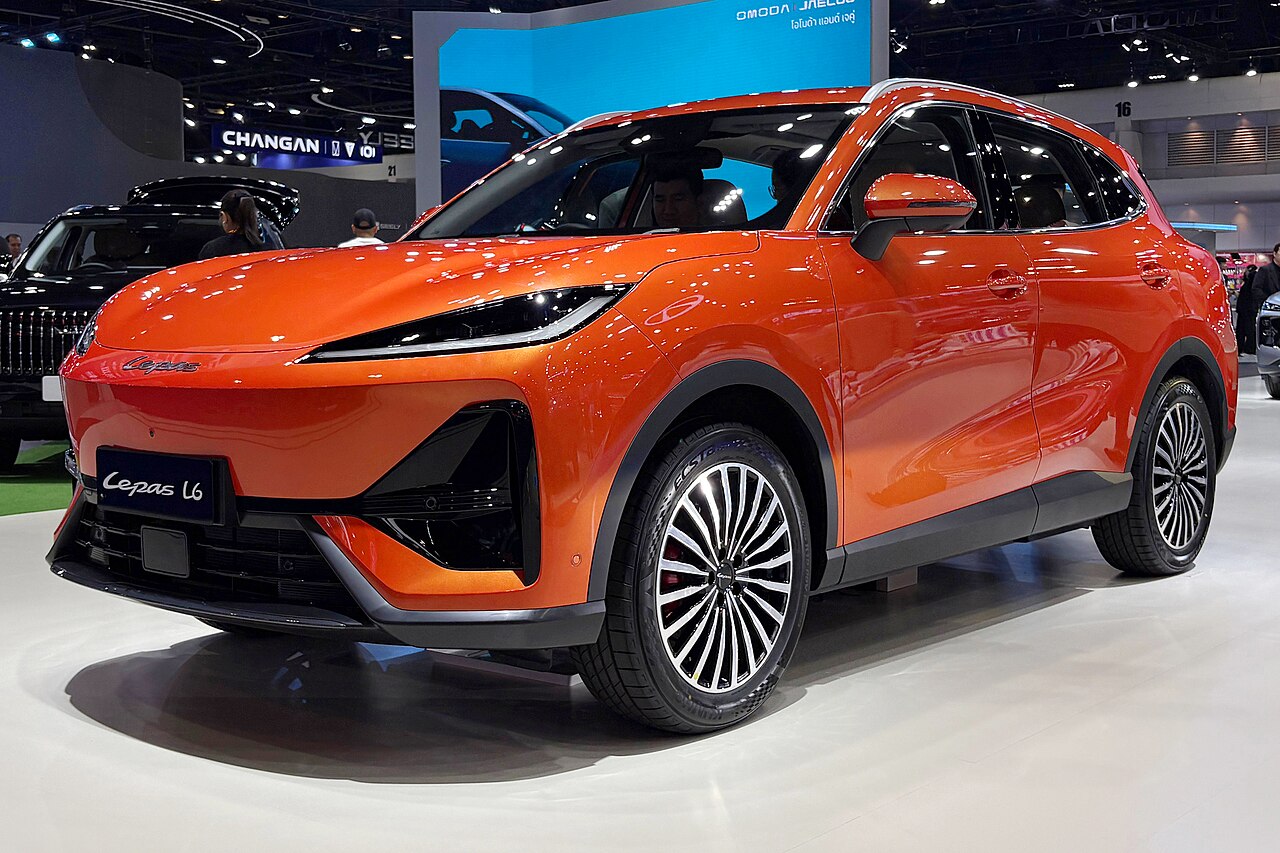
LEPAS says its L6 EV for the UK market will use Bosch’s IBP 2.0 system to make braking smoother and reduce the forward-and-backward pitching that can occur as a vehicle slows. The effect is especially relevant in urban driving, where traffic, signals and frequent stops repeatedly change the car’s speed.
The company frames braking behavior as part of passenger comfort, not just seat design or cabin space. The article cites US Centers for Disease Control and Prevention information that children aged 7 to 12 are particularly susceptible to motion sickness, which can bring nausea, cold sweats, drowsiness and fatigue. It also refers to Dutch research body TNO’s explanation that drivers may feel less sick because they can anticipate their own braking, acceleration and turns, unlike passengers who may not know when or how strongly those movements will happen.
Bosch’s system is one element of a wider ride-comfort effort. A European team tuned the L6 EV’s chassis for the continent’s roads, with predictable behavior and comfort as priorities. The UK specification also includes laminated acoustic glass in the front side windows to help reduce outside noise in the cabin. LEPAS presents the changes as aimed at everyday trips, from school runs and commutes to weekend journeys.