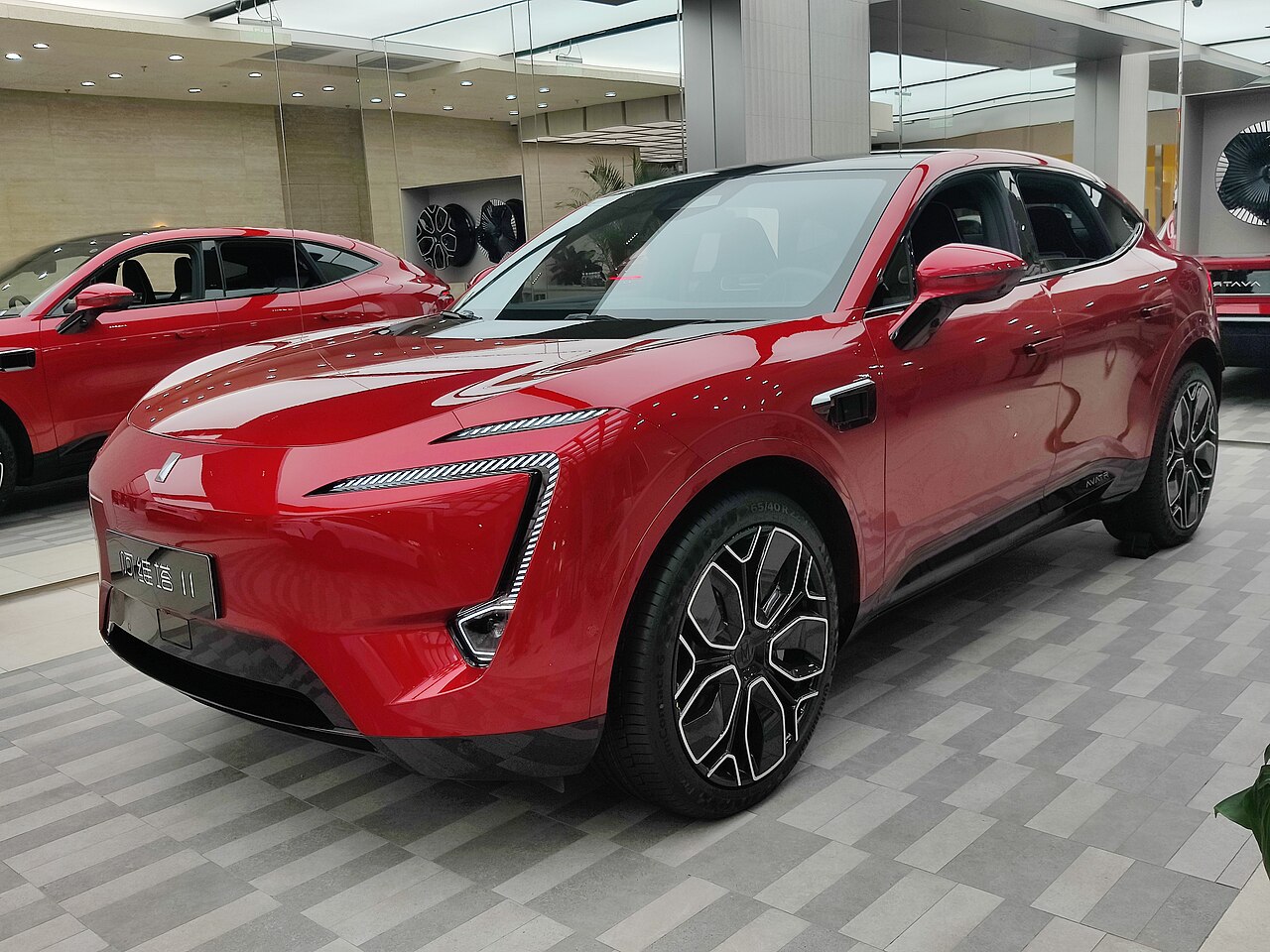
Videos of apparently unoccupied electric vehicles manoeuvring through underground garages circulated on Chinese social media in November 2026. The cars shown included Avatr and Aito models equipped with Huawei Qiankun intelligent-driving technology. One clip depicted an Avatr 06 and an Avatr 12 carrying out parking movements side by side at around 6 a.m.
The videos emerged during the second Huawei Qiankun Intelligent Driving Open, held from October 31 to November 13. More than 190,000 owners registered across eight competition categories. In the Parking Elite category, participants were ranked by successful uses of assisted-parking functions, and the top 100 received Huawei points. Contest rules counted qualifying activity only from 6 a.m. to 10 p.m.; some circulating footage reportedly showed cars moving between midnight and 6 a.m., when those manoeuvres could not add points. A social media user’s claim of completing 1,000 parking sessions in one day was not independently verified.
The footage cannot establish why the vehicles kept moving. Possible explanations include owners repeatedly using remote parking, systems trying again after difficulty with lighting, markings or tight spaces, or a software problem. The article says vehicle operating logs would be needed to determine what happened. Avatr documentation lists an operating speed of about 5 km/h for the 06’s Remote Parking Assist, while its Exit-and-Park Assist instructions say the system may shift into Park if an obstacle stays in its path.
Huawei says Qiankun ADS had been installed in more than two million vehicles across over 20 brands as of November 13. The article also stresses that the contest treats the system as driver assistance, not driverless operation: drivers must stay attentive and be ready to intervene. China’s recommended GB/T 47031-2026 standard, effective January 28, 2026, sets a 30 km/h maximum for Class II systems that cruise through parking facilities.