BYD Prepares to Take Solid-State Batteries Out of the Lab and Onto Real Roads
Executive VP Stella Li says a first demonstrator car will run on public roads next year, with a roughly 1,000-vehicle trial fleet earmarked for Yangwang and Denza by 2027 and mass production targeted for 2030.
2026-09-15
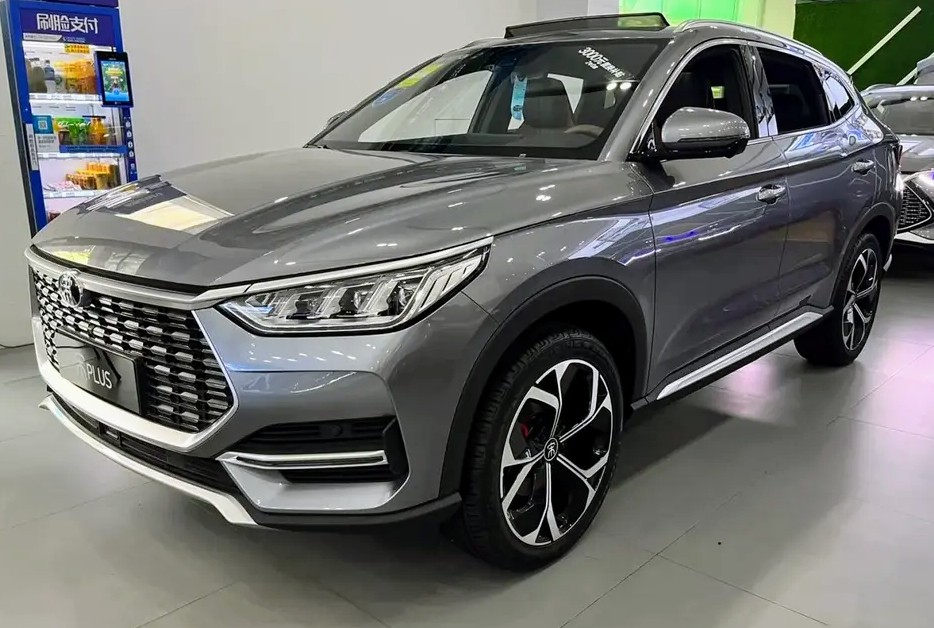
Wikimedia Commons
BYD is moving its solid-state battery program toward real-world validation. Speaking in Valencia, Spain, executive vice president Stella Li confirmed the company intends to fit its first demonstrator car with a solid-state pack for testing on actual roads next year.
The development work sits with FinDreams, the group's battery arm, which is pursuing a sulfide solid electrolyte (LPSC) route. Prototype cells in 20Ah and 60Ah formats are closing in on an energy density of 400 Wh/kg, well beyond today's liquid lithium-ion packs. A key manufacturing obstacle is the swelling and shrinkage of sulfide cells, which BYD is attacking with dry-electrode production methods — the same problem Toyota and Honda are grappling with.
The rollout plan is deliberately cautious: a small demonstration fleet of about 1,000 cars is slated for testing by 2027, allocated to the premium Yangwang and Denza marques so the steep early costs land on high-end models before mass commercial production around 2030. The effort is backed by Beijing through the CASIP national innovation initiative, which has committed research funding exceeding $830 million.
BYD chief scientist Lian Yubo tempered expectations, noting that liquid lithium-ion batteries will remain alongside solid-state cells for an estimated 15 to 20 years. Next year's road trials are meant to verify how the new cells withstand vibration, thermal swings and mechanical stress before any customer-facing launch.
This is an original summary compiled and translated from the source below, not a direct translation of it.
🔗 Source: ArabGT →