BYD's solid-state battery car is confirmed for next year — but real mass production is still a 2030 story
EVP Stella Li says a model with BYD's sulfide-based solid-state cells will debut next year as a technology demonstration, while the company's own roadmap points to roughly 1,000-car trials in 2027 and volume output around 2030.
2026-09-13
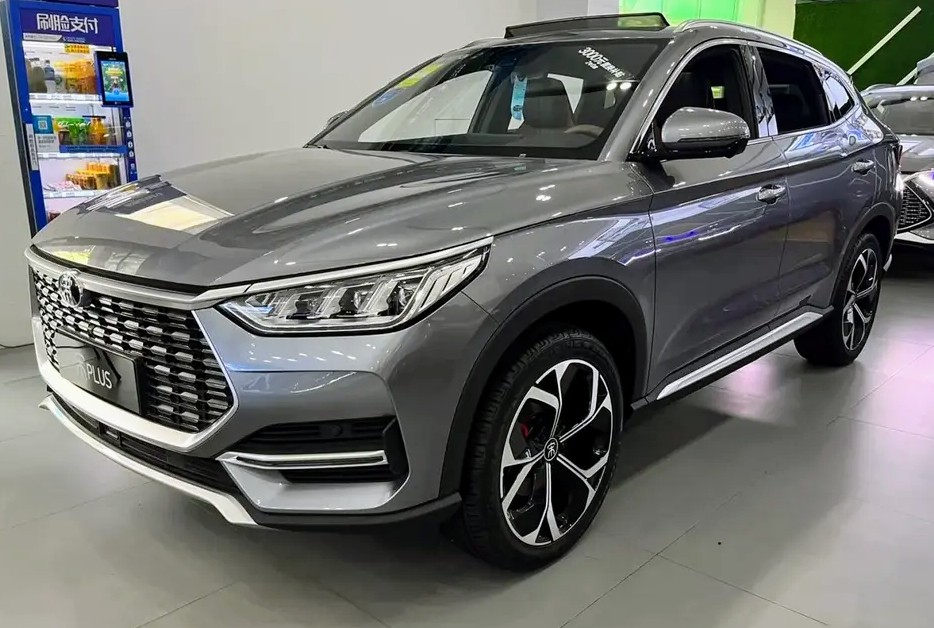
Wikimedia Commons
BYD's second-in-command, executive vice president Stella Li, told Carwow.es in Valencia, Spain that a model carrying the company's solid-state battery technology will appear as soon as next year. She framed the move as evidence that BYD leads on both the technology and its commercial application, but offered no launch date, model name, or cell specifications — and stopped short of any mass-production commitment.
The cells come from BYD's battery arm FinDreams, which has bet on an inorganic sulfide electrolyte built around lithium phosphorus sulfur chlorine (LPSC). Reported prototypes of 20 Ah and 60 Ah approach 400 Wh/kg at cell level, yet getting sulfide chemistry into a running car means clearing several stubborn hurdles: solid-solid interfaces that lose contact as electrodes expand and contract, sustained mechanical stack pressure in some designs, vibration and thermal cycling in service, hydrogen sulfide released when sulfides meet moisture, and a shift toward dry-electrode manufacturing because conventional wet-processing solvents react with the electrolyte.
The wider race is moving quickly — Toyota and Idemitsu Kosan target a 2027-2028 launch and Samsung SDI aims for 2027 mass production — but BYD's own timeline stretches further out. FinDreams CTO Sun Huajun has previously outlined roughly 1,000-vehicle trials around 2027 and true volume production around 2030, with early packs reserved for premium Yangwang and flagship Denza models, where sulfide precursors costing dozens of times more than conventional liquid-electrolyte materials are easier to absorb.
BYD is also developing the technology within CASIP, a government-backed consortium tied to an estimated 830 million USD in state R&D funding, and chief scientist Lian Yubo expects liquid and all-solid-state batteries to coexist for 15 to 20 years. Next year's vehicle will test whether the sulfide system can perform outside the lab; scalable manufacturing remains a much later milestone.
This is an original summary compiled and translated from the source below, not a direct translation of it.
🔗 Source: CarNewsChina →