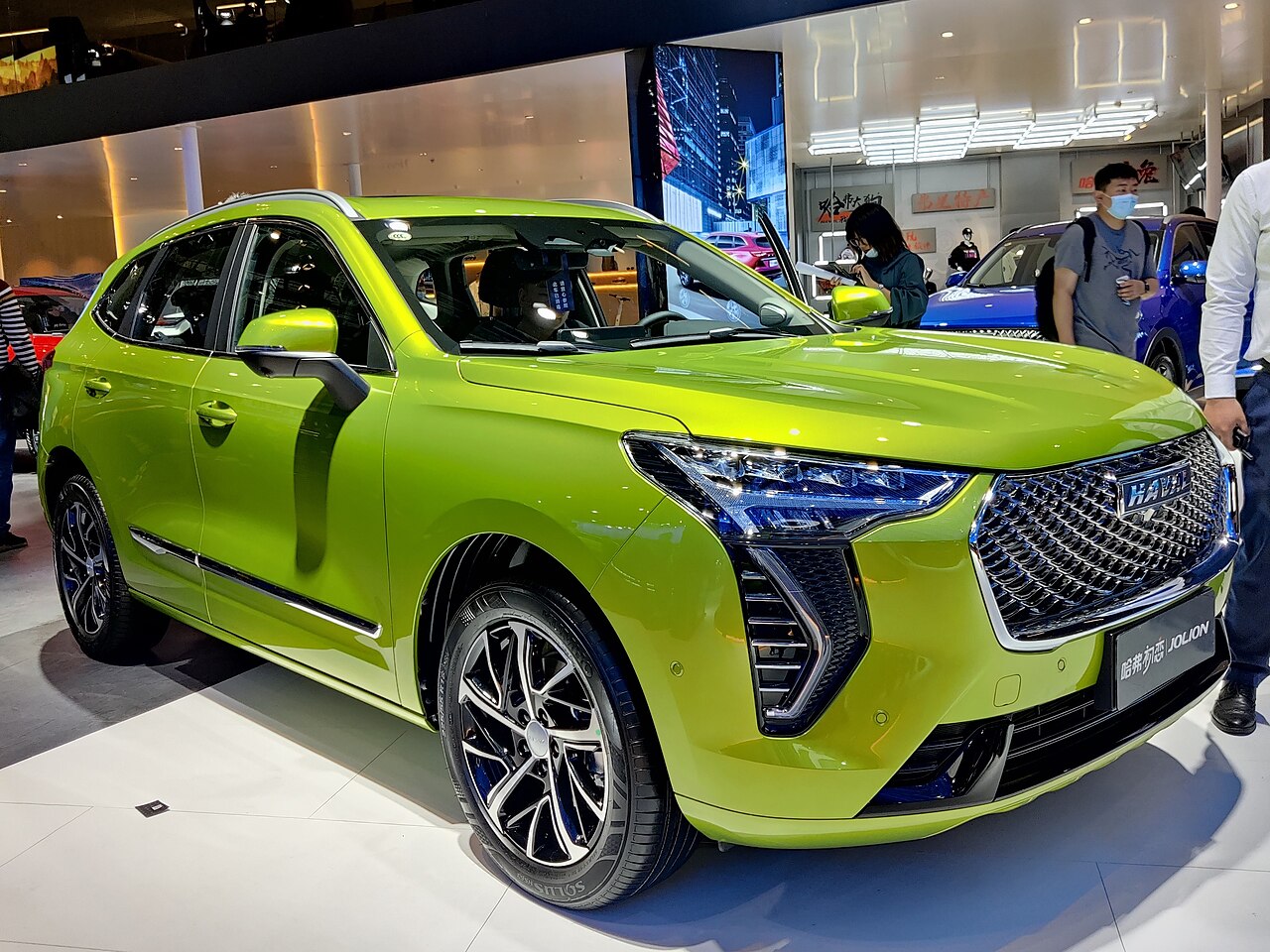
Owners of Chinese-brand cars in Russia are reporting corrosion remarkably early. One Haval Jolion owner noticed paint chips he could feel by hand, while another driver found two rust spots on the roof after a wash, on a car less than two years old. On Russian owner forums the pattern repeats: cars bought new develop rust on the roof, door sills and wheel arches after just one or two winters. Yaroslav Kukarin, who runs two Fit Service body shops, recalls that Chinese imports of 15–20 years ago rusted so fast that doors, sills and arches punched through within 5–7 years; today's cars are far better, he says, but the risk has not disappeared.
Hard numbers come from a Lamark study across 26 Russian regions, commissioned by the outlet Life and published in January 2025. It set each brand's perforation-corrosion warranty against the point when surface rust was actually observed. The European group was uniform: 12-year anti-perforation warranties, with first rust also appearing around year 12. The Chinese group split into two tiers — one rusting from year two, the other from year four. Haval promises six years against perforation, with surface rust recorded from around year four. Lamark attributes the gap to European groups investing far more in anti-corrosion treatment; even a budget-market Skoda can reach 10 years without visible rust.
Georgy Kublyakov, who manages a Fit Service shop in Moscow, points to two technical causes. Rust often starts from the inside, under plastic cladding and arch extensions where moisture, road chemicals and mud sit permanently against the metal, creating a greenhouse effect that rots it slowly. In addition, many Chinese brands thin out the cathodic electrocoat layer; without zinc galvanization underneath, a single stone chip is enough for corrosion to spread — which is why owner reports so often begin at a chipped spot.
Protection comes at a price: Russian automotive sites commonly advise spending 50,000–100,000 rubles (roughly 15–30 million dong) on anti-corrosion treatment right after purchase, and Lamark says one proper procedure adds an average of 10 years to body life. Visible rust also slashes resale values, one reason Chinese cars in Russia hold less value after a few years than Japanese or European rivals of the same age. The deeper point, the article argues, is that corrosion protection is an invisible investment — absent from spec sheets, it only reveals itself years later, when repairs have become expensive.