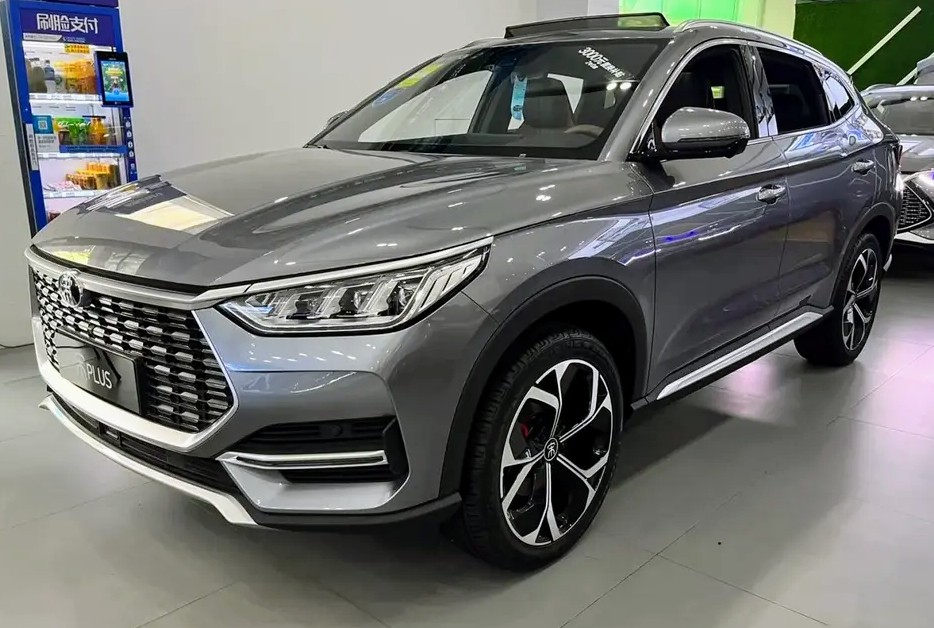
BYD's European adviser Alfredo Altavilla told reporters in Turin that the company ultimately intends to operate three vehicle assembly plants and one battery factory across Europe, a footprint he described as necessary both to hit its sales ambitions and to satisfy EU manufacturing rules. With production starting at the first European facility in Hungary, the choice of a second assembly site is expected before the end of the year, and Spain and France are the frontrunners. Italy is still in the running but is effectively a "plan B," and BYD is in talks with European carmakers and governments about taking over underused plants.
The localization drive reflects a tightening trade backdrop. The EU has already added tariffs on Chinese-built battery-electric vehicles, prospective "Made in Europe" rules could force deeper investment, and Brussels is reportedly seeking a negotiated cap on Chinese hybrid imports — with higher tariffs possible if no deal emerges, extending trade pressure to that segment as well.
Exports are becoming a key offset to mounting competition at home. BYD's overseas volume jumped 85.72 percent year-on-year to roughly 1.16 million vehicles in the first eight months of 2026, with August setting a monthly record of 189,466 units — over 43 percent of total sales. Management has raised its 2026 overseas target to 1.9–2.0 million vehicles and is aiming for more than 2.5 million in 2027, per a Deutsche Bank note. The company also began rolling out its premium Denza brand in Europe, opening showrooms in Turin and Paris.