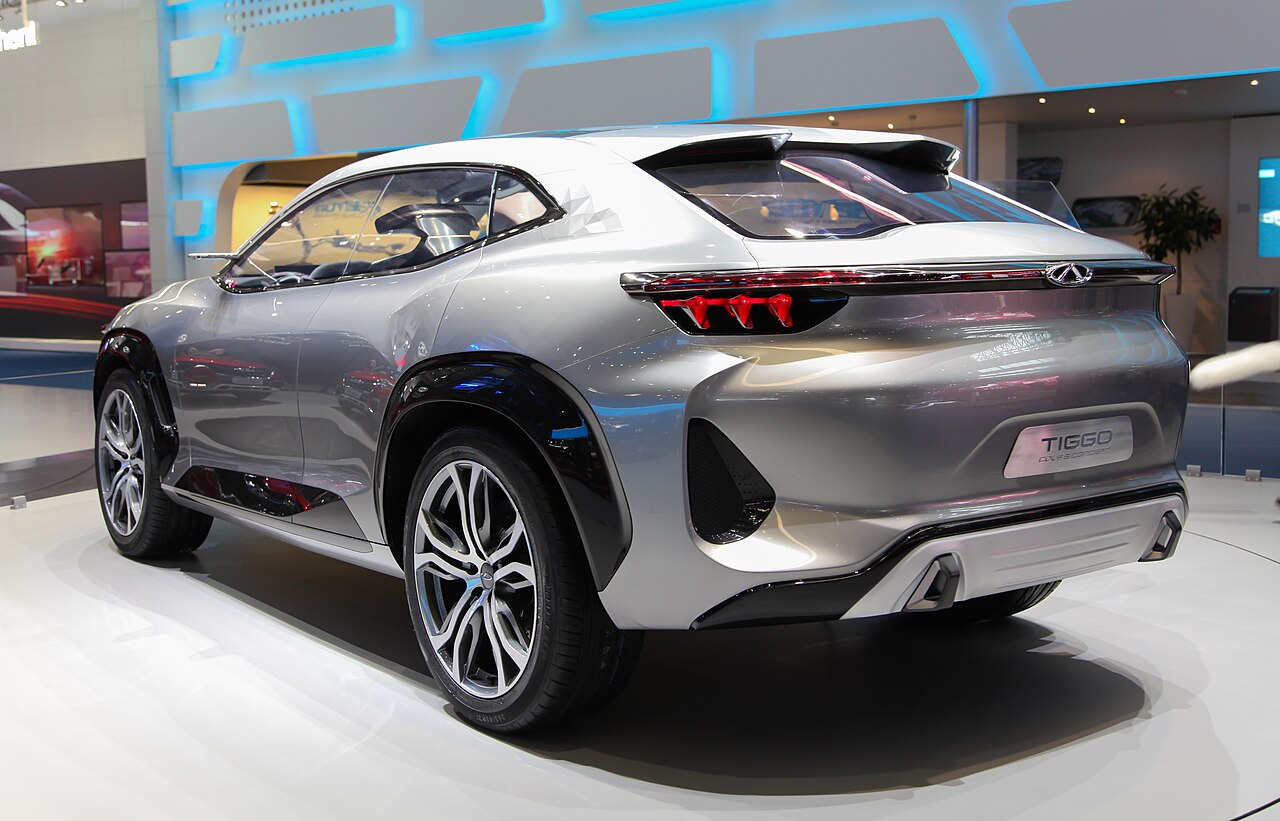
In Wuhu, China, Chery International president Zhang Guibing told Australian media that the company is considering whether people will still want to own cars a decade from now, as robotaxis develop rapidly. He raised the possibility that many customers could prefer on-demand rides, a change that would push automakers to seek more fleet business or other revenue as private purchases decline.
Chery has already put a robotaxi on public roads. Its CER service began in Shanghai’s Pudong district in July 2025, developed with autonomous-driving company WeRide and Jinjiang Taxi. The Level 4 vehicle combines WeRide technology with the architecture of the Exeed Sterra ET SUV. Exeed, which is set to enter Australia as Exlantix in 2027, plans to show the robotaxi at Chery’s Wuhu summit and pursue an overseas deployment agreement with the UAE’s K2.
Robotaxi activity is expanding, but forecasts do not point to a single outcome. Goldman Sachs estimates the global commercial fleet could rise from about 7,000 vehicles in 2025 to one million in 2030 and six million in 2035. Its central outlook, however, sees limited near-term impact on the size of the US vehicle fleet; a more extreme scenario in which all travel shifts to shared autonomous vehicles would bring annual US sales down to 10–13 million, versus a historical average near 16 million. McKinsey has also projected lower vehicle sales in the US and Europe, while noting that private cars could still dominate rural American travel.
The article also highlights limits to predicting a rapid transition: service coverage, customer habits and rollout timing remain uncertain, and shared vehicles may need replacing sooner because of heavier use. Australia had 22.77 million registered motor vehicles at the end of January 2026, with passenger vehicles averaging 11.45 years old. Tesla has not announced an Australian robotaxi service, while Waymo has reportedly discussed the possibility with the government without setting a timeline.