China’s fast-moving auto industry is putting pressure on traditional vehicle development and replacement schedules. Automakers have historically kept models on sale for around five to seven years, often adding one or two mid-cycle updates before introducing a new generation. Some models now have commercial cycles of less than three years.
A McKinsey analysis cited in the report puts development time for a completely new vehicle at 40 to 50 months for some established automakers. Some Chinese manufacturers, especially those focused on electric vehicles, have reduced that period to about 24 months. Separately, a CarExpert analysis cites a Leapmotor International executive on the shortening of product cycles in China. The figures refer to different processes: developing a vehicle from scratch is not the same as refreshing a model or launching a new generation.
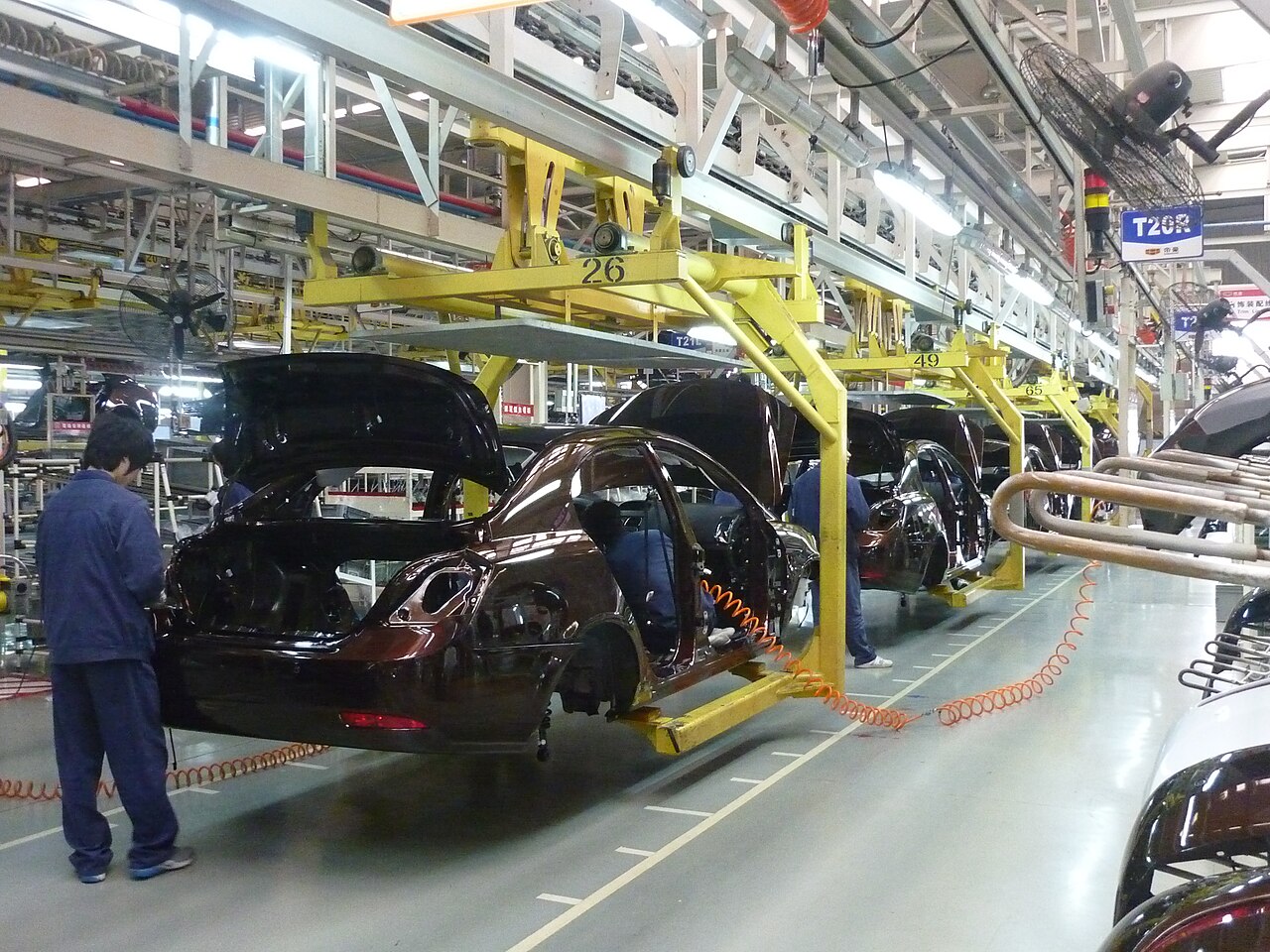
The report points to shared platforms, standardized manufacturing, closer supplier integration and quicker decision-making as contributors to shorter timelines. Modular architectures can support several body styles or configurations, and may allow different battery capacities within an electric-vehicle family. Automation and digital tools, including artificial intelligence in some design, simulation and development stages, can also help speed work.
The pace reflects the need to compete in China’s crowded market, where new technologies and models are continually changing consumer expectations. The report says Chinese manufacturers’ ability to respond quickly has become a competitive advantage and is prompting other automakers to reconsider their own development processes.