Thailand’s rapid shift toward electric vehicles has helped Chinese automakers expand, but the growth has brought unexpected pressure on the country’s established auto-parts industry. Chinese brands hold 85% of Thailand’s EV market, compared with almost none four years ago. In the first seven months of the year, EVs made up one-third of new-vehicle sales, and two-thirds of those EVs were imported, mainly from China.
Government incentives—including subsidies, lower taxes and a two-year window for importing vehicles before local production begins—helped accelerate the transition. The 2030 target set in 2022 calls for zero-emission vehicles to make up 30% of production. Changan, GAC Aion, Neta and Chery have gained ground as Japanese manufacturers lagged in electrification. Meanwhile, closures and cutbacks by Subaru, Suzuki, Nissan and Honda between 2024 and 2025 have added to concerns for a parts sector built over decades and employing about 700,000 people. One estimate suggests as many as 300,000 jobs could disappear within five years if EVs dominate the market.
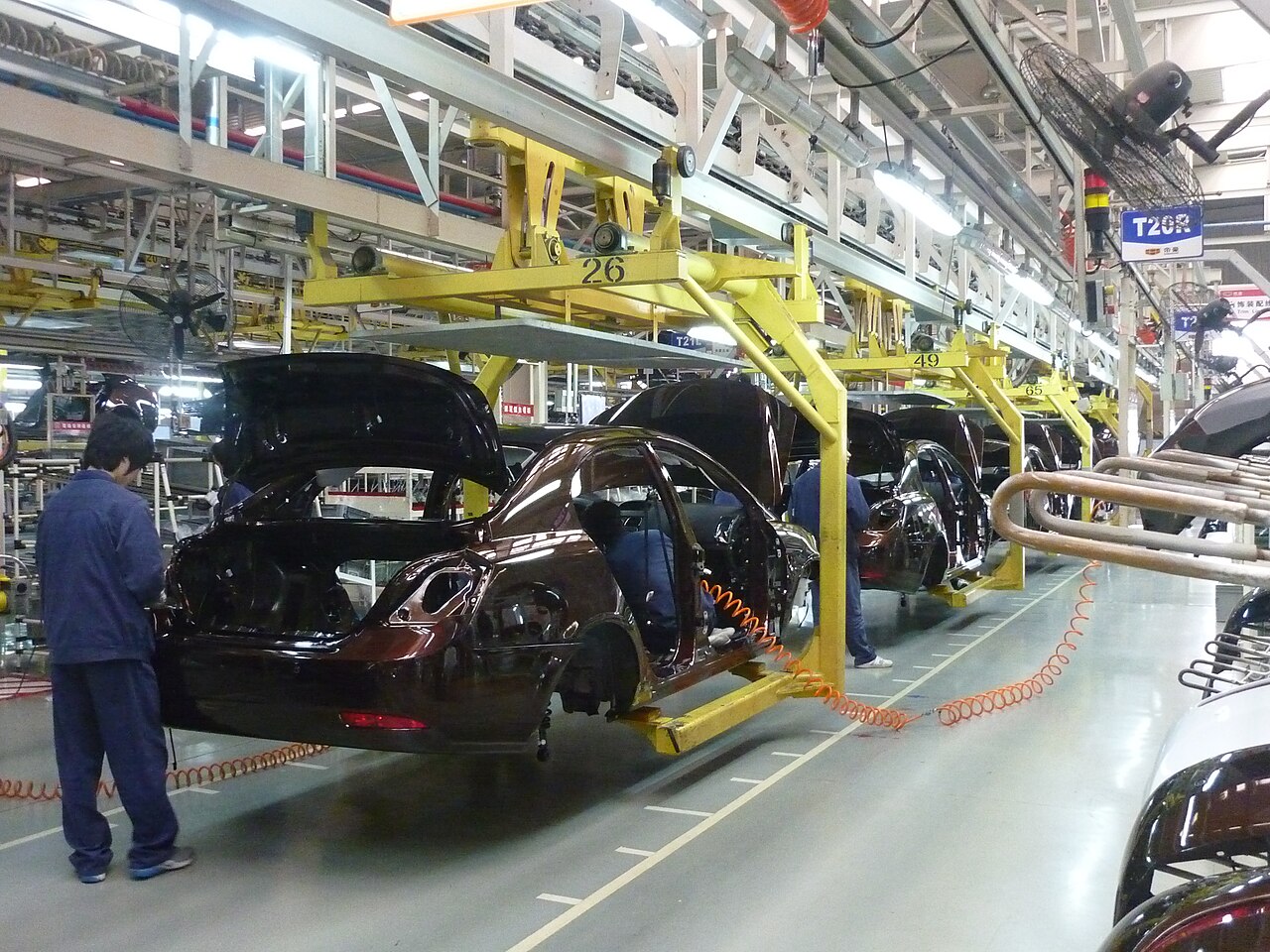
BYD opened its first factory outside China in Rayong in 2024, investing more than US$1 billion. The site employs 5,600 people, 94% of them Thai, and assembles batteries locally, although cells and other components are imported from China. It operates around the clock and has a production target of 4,000 vehicles. Thailand has introduced tax tiers that favor local components, while officials review rules on local content and jobs. The report also describes labor concerns and the 2024 bankruptcy of a supplier that left nearly 900 workers without compensation.