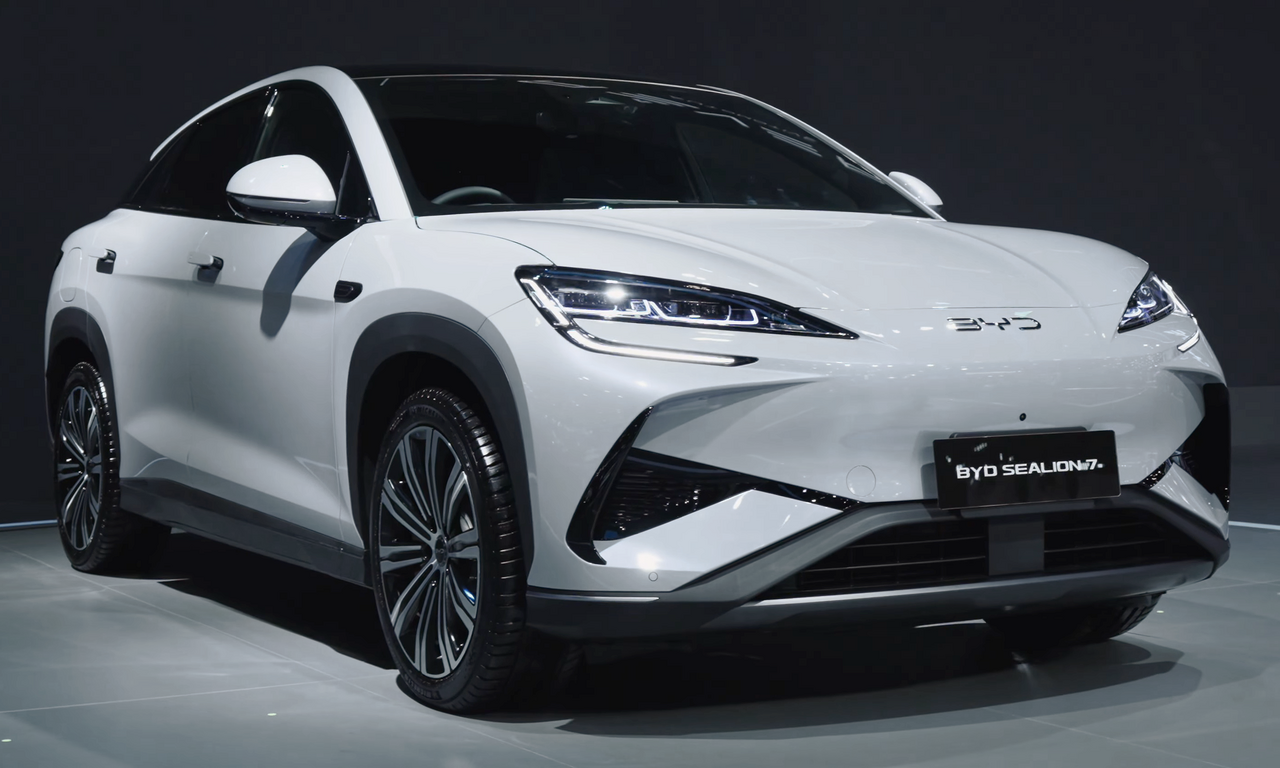
Chinese automakers are expanding into South Korea and Japan with competitively priced electric vehicles, but their progress differs sharply between the two markets. In South Korea, buyers are beginning to look past old concerns about Chinese-car quality. One BYD Dolphin owner chose the model after facing a wait of more than two years for a Hyundai Casper EV; another buyer said driving a Dolphin changed his view of Chinese cars.
EVs account for about a quarter of new-car sales in South Korea this year. BYD sold more than 20,000 vehicles there in the first nine months, surpassing Toyota and Lexus combined, according to Carisyou. An analyst cited by the report pointed to demand for affordable EVs and a nearly 10% rise in fuel prices since the US-Israel war with Iran began. Hyundai and Kia, meanwhile, are concentrating on premium electric models. South Korea’s automotive association has called for tax incentives for locally made EVs.
Other Chinese brands are also preparing to expand in Korea: Zeekr began taking orders for its 7X SUV in June and plans to have 14 showrooms by year-end, while Xpeng is seeking retail-network partners. Chery is expected to enter Japan in 2027. Japan remains more difficult: EVs make up only about 3% of vehicle sales, and non-Japanese brands hold roughly 6% of passenger-car sales.
BYD, which entered Japan in 2023, has more than 75 dealerships and aims to reach 100. It sold at least 4,000 vehicles there in the first nine months of the year, or about 0.1% of the market. Its electric Racco kei car, launched in July 2026, had recorded 650 sales by September. The report describes the company’s priority as sustaining growth rather than focusing only on market share.