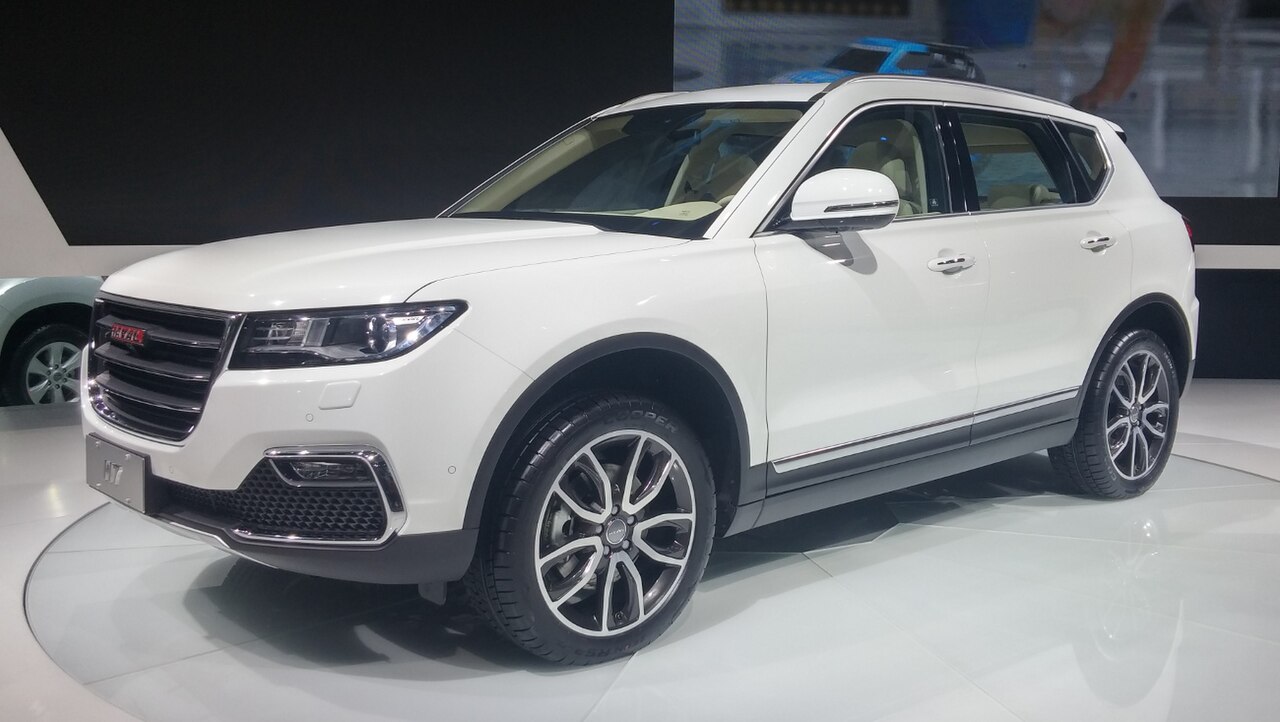
A week behind the wheel of the GWM Haval H7 in the Philippines left the reviewer impressed by its powertrain and space, but concerned about usability and the condition of the test vehicle. The model is positioned against hybrid SUVs such as the BYD Sealion 6, and the tested H7 was the range-topping Hi4 PHEV 4WD, priced at ₱1,698,000. The reviewer considered the mid-level 2WD PHEV at ₱1,548,000 the stronger choice for everyday use.
The tested variant combines a 1.5-liter turbocharged petrol engine with a plug-in hybrid system producing 364 hp and 760 Nm. It offers more than 100 km of electric-only driving and a claimed combined range above 1,000 km. DC fast charging can take the battery from 0 to 80 percent in 25–30 minutes, and the vehicle also supports vehicle-to-load power. A locking differential and terrain modes add off-road equipment. Over more than 300 km of mixed highway and heavy-city driving, the reviewer recorded about 13 km/L.
The five-seat cabin was praised for its roomy second row and large, flat cargo area, along with high-resolution, responsive displays and detailed energy-use records. Criticisms included key functions buried in the infotainment interface and an unintuitive adaptive-cruise-control setup. The reviewer also reported front-suspension knocking after the loan vehicle had covered about 9,300 km, plus Android Auto disconnecting every 10–15 minutes.
The H7 was described as comfortable and capable, with smooth acceleration and competitive pricing, but the reviewer said these issues undermined an otherwise appealing package. They hoped the faults were specific to the borrowed vehicle, while noting that the H7’s cabin finish felt less solid than that of the larger GWM H9.