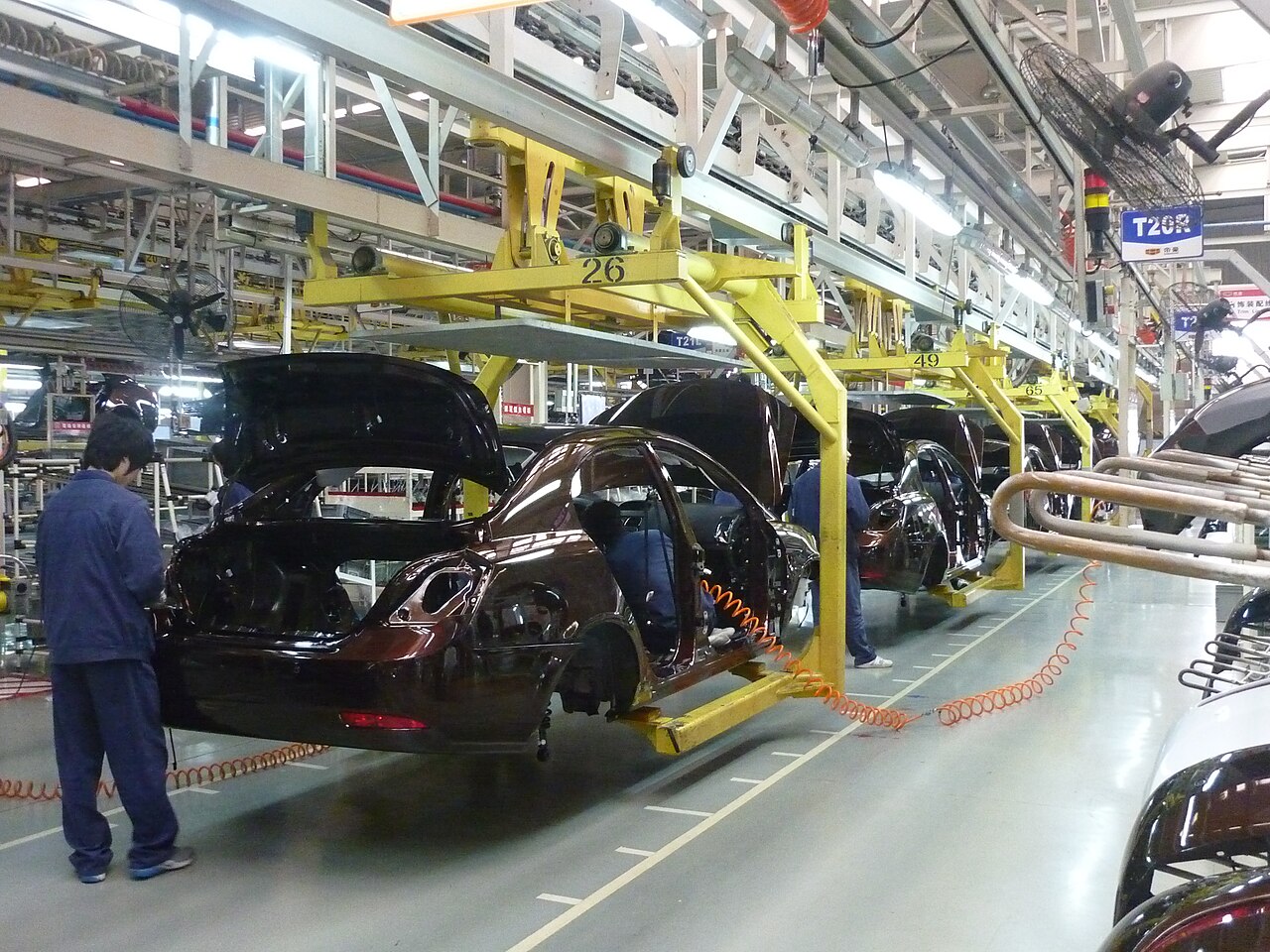
China’s emergence as a manufacturing and automotive powerhouse followed a sweeping shift from rural life to urban work, according to the article. Until less than five decades ago, the country was largely agricultural, with most people living in the countryside. Reforms introduced under Deng Xiaoping from the late 1970s opened the economy and helped propel industrial growth.
As economic change gathered pace, hundreds of millions of people left villages for cities including Shenzhen, Guangzhou, Shanghai, Suzhou and Dongguan. Their labor went into factories, roads, rail and metro lines, technology companies and car production. The article describes this internal migration as a crucial source of workers for industrialization, helping China become the world’s second-largest economy and a leading force in industry and exports.
The transformation also brought social costs. Many rural communities lost much of their younger population, while migrant workers were often separated from their families. China’s hukou household-registration system tied access to public services and social benefits to a person’s registered location, leaving rural migrants with fewer entitlements than urban registrants, even when they lived and worked in the same city. The system remains in place, though it has been reformed several times, including to reduce disparities affecting workers and their children.