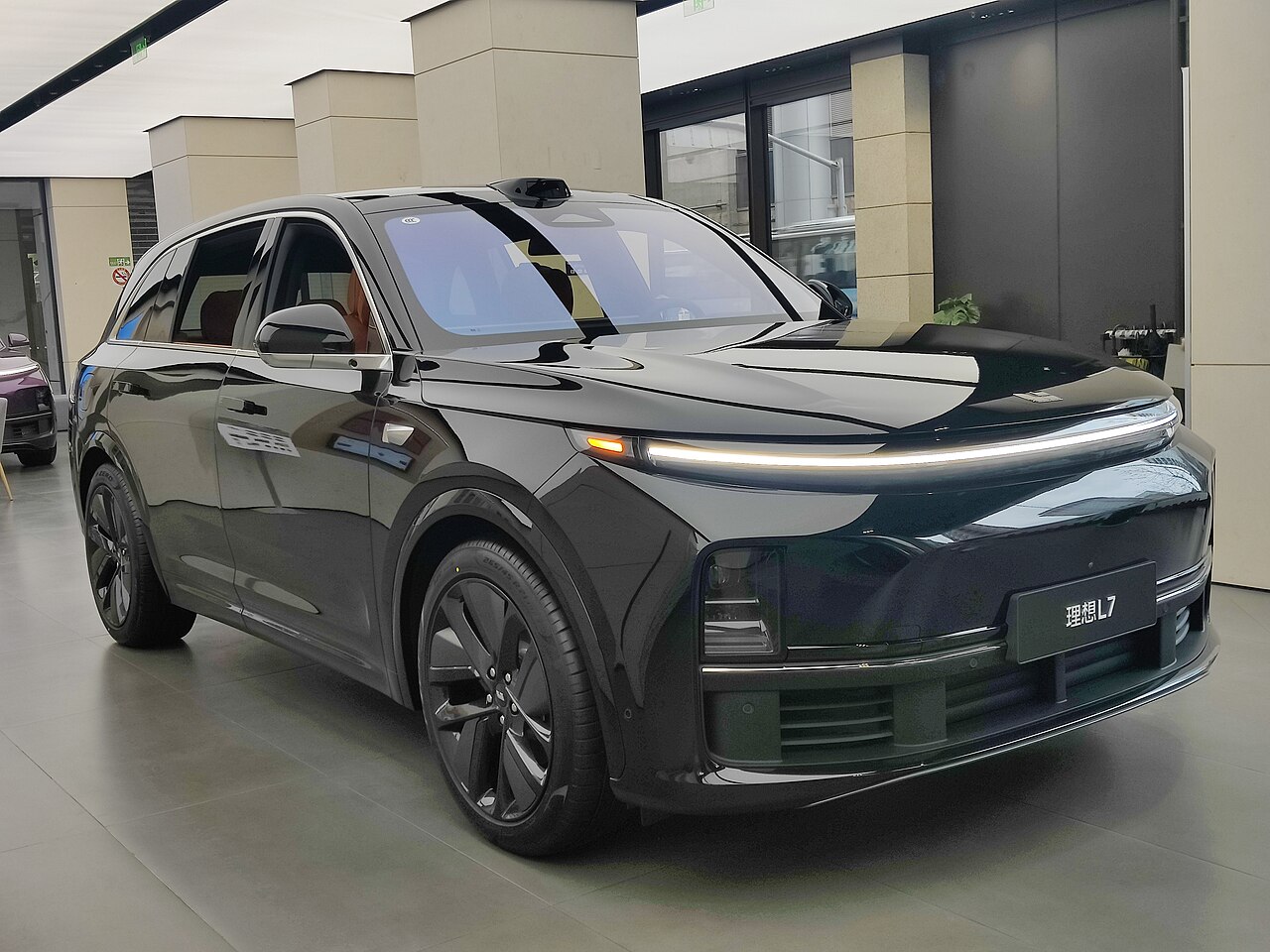
Li Auto is preparing to open several of its in-house technologies to outside buyers, according to a 36Kr report citing multiple industry sources. The plan covers supplying its Mach driver-assistance chips, silicon carbide power modules and range-extender systems to third parties, with some units being restructured to run independently and raise external funding.
Senior management has signed off on spinning off the chip business, and the company set up a wholly owned Shanghai entity in July to house integrated-circuit design and sales. Its Mach M100 — the brand's first mass-produced driver-assistance chip, built on a 5 nm automotive-grade process with 1,280 TOPS of compute — has been pitched to embodied-AI companies, though adoption may hinge on how easily their algorithms can be migrated. Separately, Sike Semiconductor, the silicon carbide joint venture in which Li Auto holds 70%, has answered to its own board since February, runs its own profit and loss, and is reportedly lining up outside investors and IPO preparations.
The monetization push comes at a strained financial moment: Li Auto posted a second-quarter net loss of 1.7 billion yuan ($251 million), and R&D spending has held near 3 billion yuan for six straight quarters, even with 87.5 billion yuan in cash on hand. External orders would help spread those development costs, though the company has no current plans to sell its batteries, whose high customization makes them a poor fit for other customers.
Li Auto is not alone in this shift. Nio has carved out its chip unit as GeniTech (Shenji), whose M97 chip co-developed with Axera has drawn interest from Geely, while Xpeng says it plans to supply electrical architecture, cockpit systems, chips and driver-assistance software to more overseas customers beyond Volkswagen.