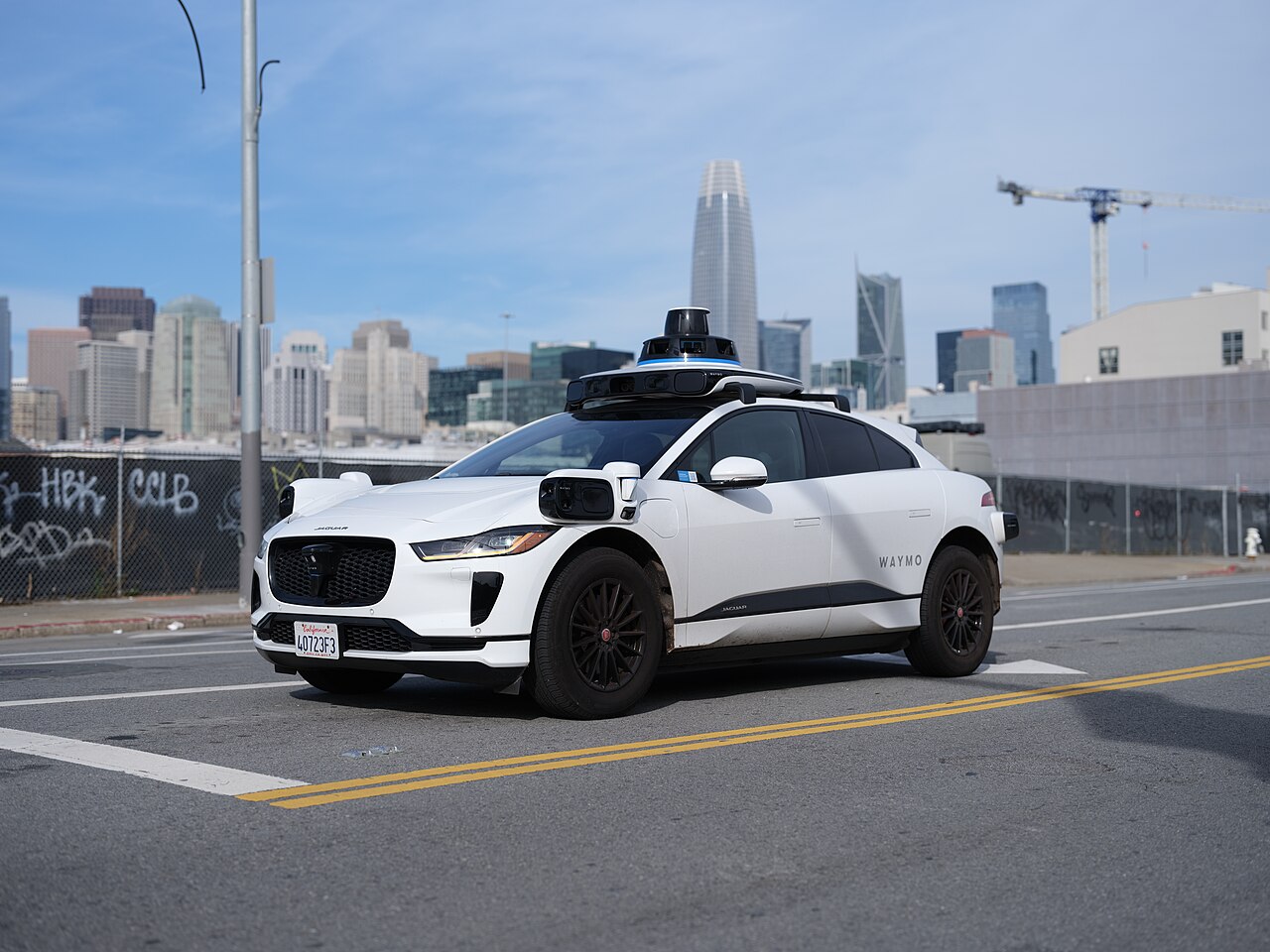
Waymo, the self-driving ride-hailing arm of Google parent Alphabet, will start taking bookings in Singapore in 2028, making the city-state its first Southeast Asian market. The plan was unveiled at Google's Asia-Pacific headquarters, with the first vehicles due on local roads in the coming months.
The initial fleet will consist of Jaguar I-Pace electric SUVs, the same model that anchors Waymo's US operation, where more than 2,000 have been converted into driverless taxis. Before the commercial launch, trained autonomous-vehicle specialists will stay behind the wheel so the system can adapt to Singapore's roads and tropical weather, with testing starting around Labrador and HarbourFront in the island's west. Testing, maintenance and support roles will all be filled locally.
Singapore's transport minister said the number of autonomous vehicles carrying passengers should grow from 16 today to several hundred within two years, though that remains tiny next to the country's 70,000-plus taxi and private-hire drivers. He framed robotaxis as a supplement to public transport that creates new jobs in fleet management and remote operation, with the government covering up to 90% of salaries during driver retraining. Existing autonomous shuttle trials by Grab and ComfortDelGro in Punggol have already served roughly 20,000 passengers, 99% of whom said they would recommend the ride.
Tokyo is slated to get commercial service in 2027, so Singapore will be Waymo's second Asian market; the company also registered a South Korean subsidiary in July. The report notes Baidu's Apollo Go has separately been eyeing the region, but for now Singapore will offer Southeast Asia's first real taste of Waymo's technology.