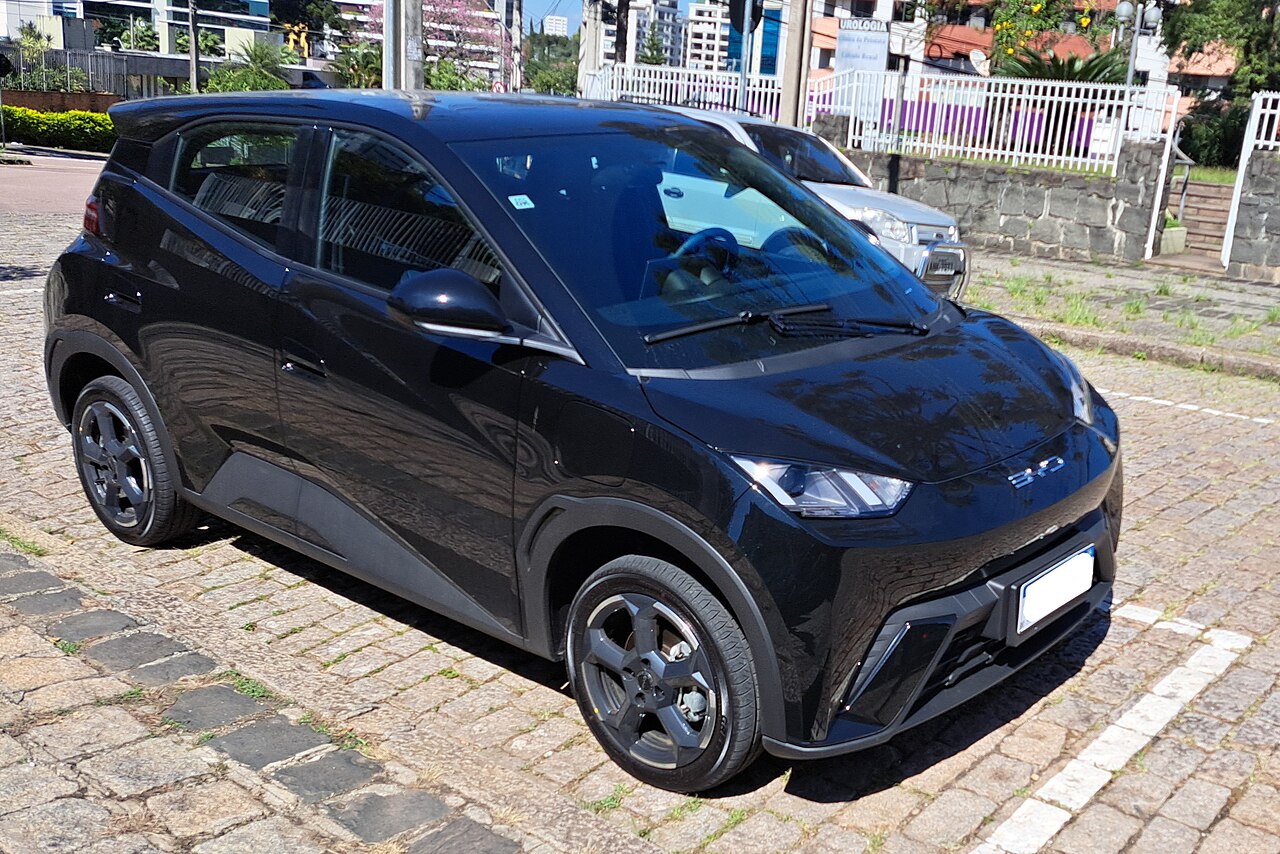
BYD Malaysia plans to build vehicles in Kulim, Kedah, through a partnership with Sime Motors’ Inokom Corporation. The project is part of Malaysia’s wider push for local assembly, or CKD, but assembling cars in the country does not guarantee a lower price for buyers. CKD vehicles arrive as parts for local assembly, unlike CBU cars imported as complete vehicles; the final cost depends on factors including taxes, exchange rates, local sourcing and labour.
The article points to examples where prices did not fall after local assembly began: iCaur and Leapmotor models retained their prices, apart from the removal of a RM200 inspection fee. Proton eMas adjusted its base prices after CKD production, effectively raising them. For EVs, the scope for tax-driven savings can be limited because they moved from tax-free CBU imports to tax-free CKD assembly. That differs from combustion-engine cars, which can face high import duties as CBU vehicles and lower taxes when assembled locally.
Malaysia’s CKD EV policy, announced by the investment, trade and industry ministry in March, sets a RM100,000 minimum price and requires 80% of output to be exported, alongside local body-shop, paint and trim operations for new entrants. The export requirement is waived for a new entrant working with an existing local CKD partner.
The case for assembly, the article argues, is also industrial: the sector supports more than 700,000 people and contributes 4–5% of Malaysia’s GDP. Inokom brings decades of assembly experience and a Malaysian workforce; the article says it has contributed RM3 billion to local vendors. Local production could also support suppliers, logistics, services and skills transfer, even without an immediate reduction in showroom prices.