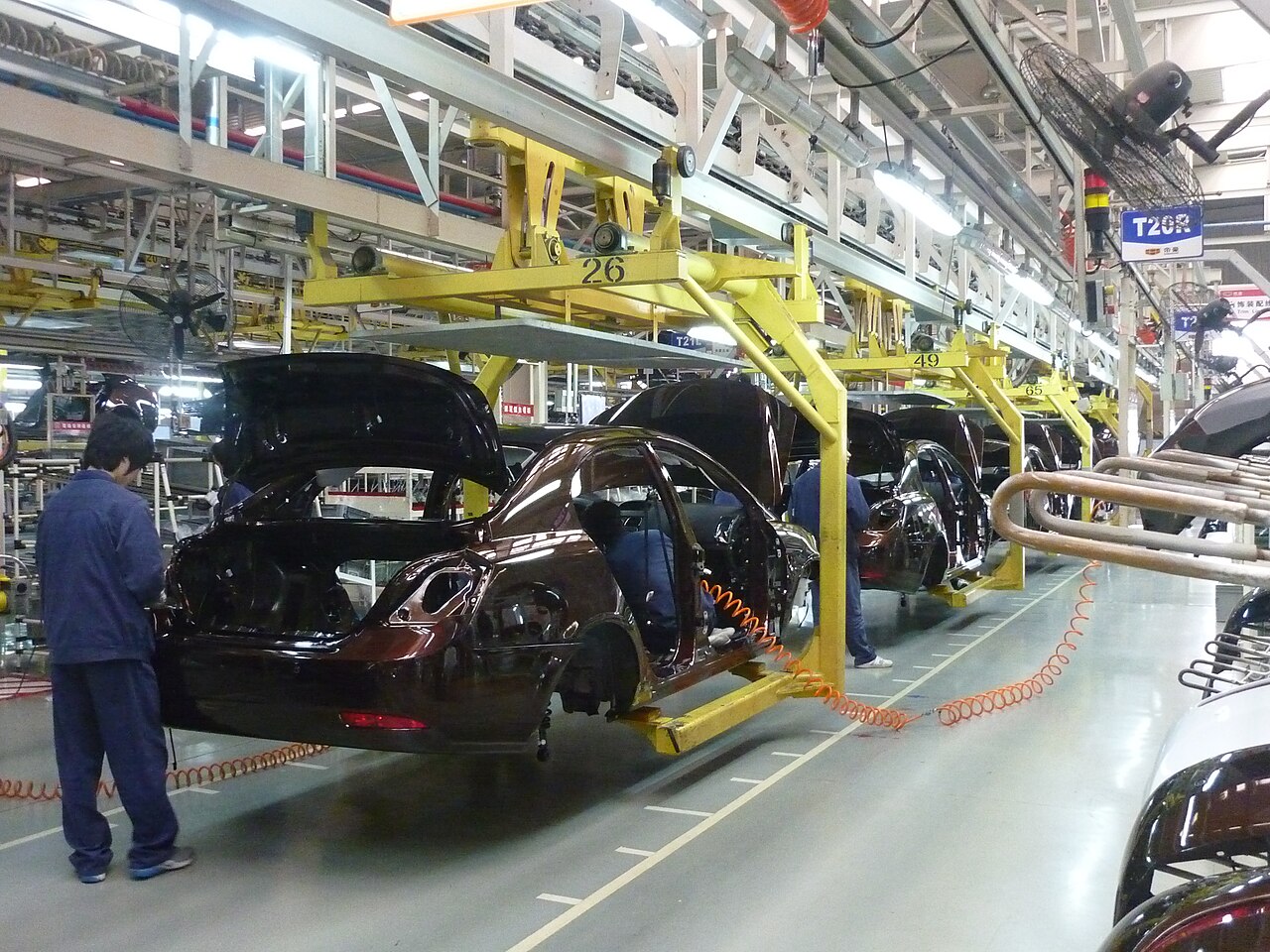
China’s automakers are expanding overseas partly because the domestic market is crowded and fiercely competitive. A broad choice of brands and an ongoing price war put pressure on margins, while exports give manufacturers another way to use factory capacity and sell the vehicles they produce. Overseas sales do not guarantee better returns, the report notes, but they have become an important source of potential growth.
Citing the South China Morning Post, the article says international sales of Chinese vehicles could exceed 12 million units in 2026, up an estimated 44% from the previous year. Europe is described as a key destination, with opportunities to sell new-energy vehicles and, in some cases, more favorable commercial conditions than in China or Latin America. The report also points to plans for regional production, without naming specific projects.
Latin America is gaining importance too. In Colombia, more than 10 Chinese brands are expected to make their national debuts at the Bogotá Motor Show in November 2026, a scale the article says would be unprecedented. For buyers, a wider range of Chinese electric, hybrid and combustion-engine models could mean more choice, newer technology and competitive prices.
François Roudier, secretary general of the International Organization of Motor Vehicle Manufacturers, argued that Chinese manufacturers would struggle to replace the benefits of European exports elsewhere. The article frames overseas access as increasingly important to sustaining China’s manufacturing scale, against a backdrop of domestic price competition and concerns about the industry’s pressures.