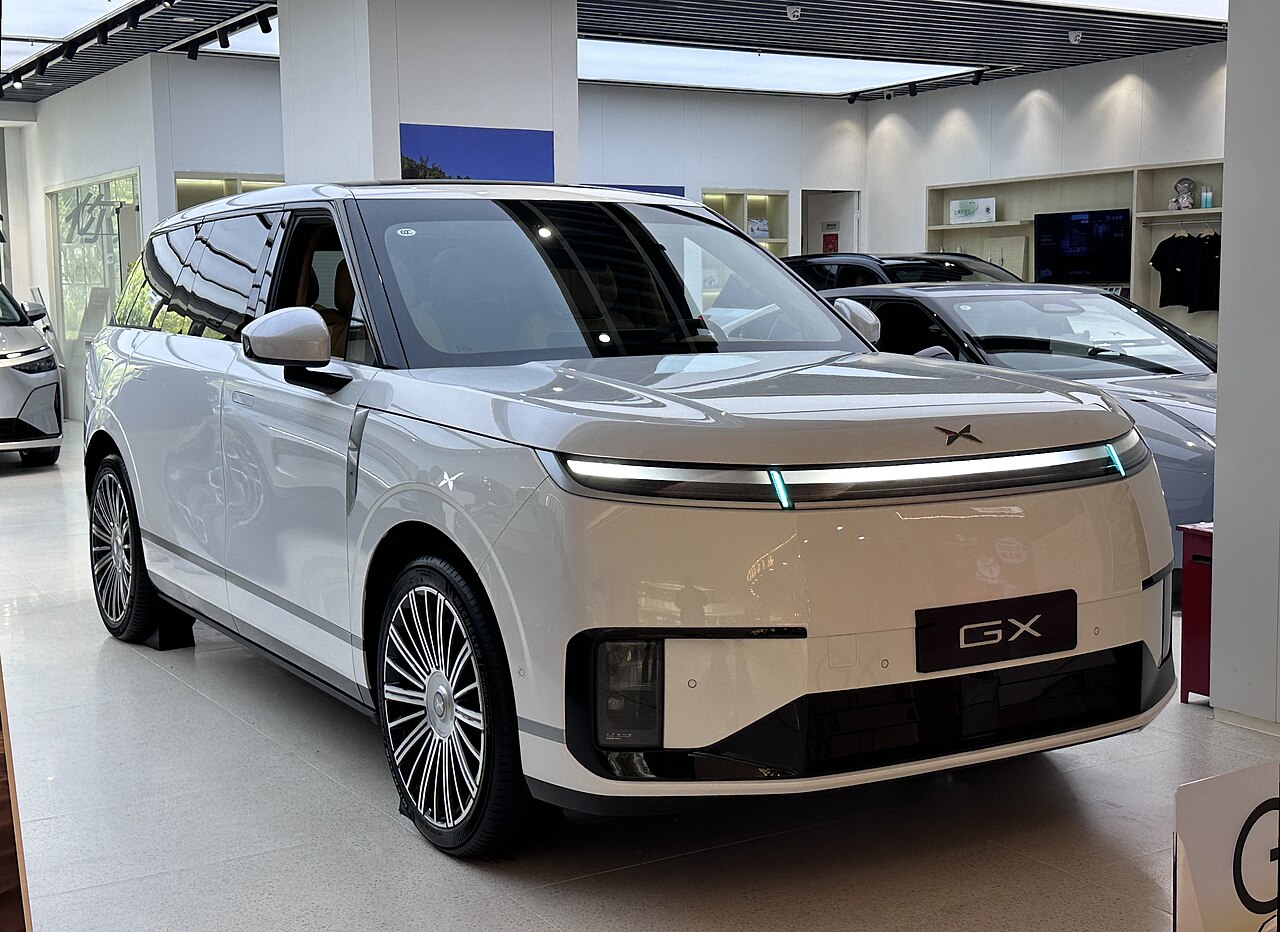
Xpeng named its robotaxi service Yoyo on October 8 and began inviting users in China to book pilot rides. The service uses a dedicated ride-hailing mini-program, where invitation codes are required to reserve a slot. More than 2,200 trial rides have been completed by employees, but Xpeng has not disclosed the fleet size or when unrestricted public service might begin.
Passengers can adjust the cabin temperature and turn on the fragrance system before pickup. The GX-based vehicle also features zero-gravity seats, massage functions and a rear entertainment screen. Xpeng says four in-house Turing AI chips provide 3,000 TOPS of effective computing power. Its second-generation Vision-Language-Action system, VLA 2.0, uses cameras without lidar or high-definition maps. The GX is designed for Level 4 driving within defined operating conditions.
Xpeng announced its robotaxi plans in November 2025 and started regular road tests in January 2026. The production vehicle came off the line in Guangzhou in May, followed by employee ride trials in July. In August, the company received permission for remote testing on designated Guangzhou roads without a safety operator in the driver’s seat. It plans pilot and small- to medium-scale demonstration services in 2026, with Guangzhou as its first operating base.
Xpeng has previously targeted passenger service without safety drivers in 2027. CEO He Xiaopeng said vehicle-level break-even in Guangzhou could come as early as the second half of that year, with operating-area vehicle density a key factor. Xpeng expects revenue from vehicle sales, technology services and operating income shared with local partners. It is discussing partnerships in Europe, the Middle East and Southeast Asia, and plans a purpose-developed robotaxi model for 2027; overseas launch dates have not been given.