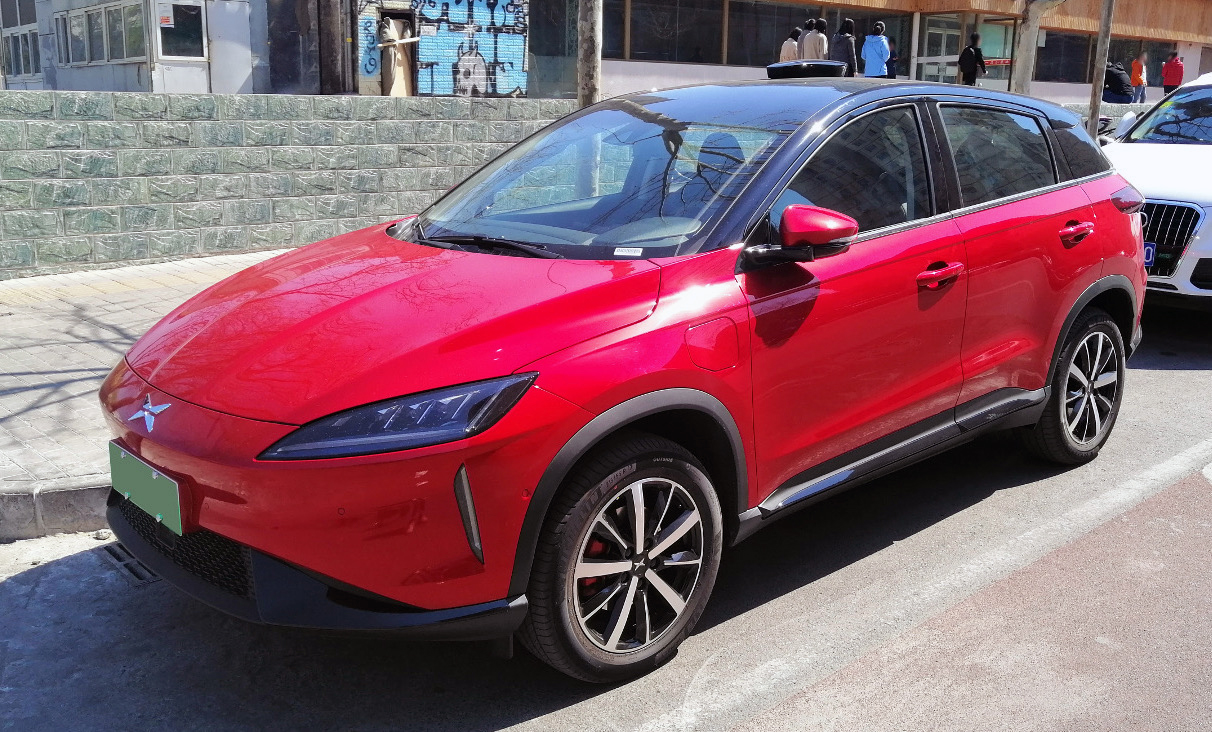
Xpeng is preparing to court a wider roster of overseas customers for its in-house automotive technology, according to a Reuters report citing two people familiar with the matter. The Chinese EV maker has already approached several prospective partners, some of whom have signaled interest, though none were named and no agreements or commercial terms have been disclosed.
The package on offer spans core vehicle systems — the company's electrical and electronic architecture, smart cockpit software, its Turing AI chips, and advanced driver-assistance technology — and the pool of potential buyers could extend past carmakers to foreign software firms and parts suppliers. Reuters reports that Xpeng formed a dedicated commercialization team roughly six months ago to pursue such opportunities, and also intends to license its know-how into robotaxis, humanoid robots and other physical AI products, potentially including operating its own robotaxi fleets.
The financial backdrop helps explain the pivot. In the second quarter, revenue from services and other businesses jumped 93.9% year-on-year to 2.7 billion yuan (about $400 million), with gross margin expanding to 75.1% from 53.6%. By contrast, car sales revenue inched up just 1.0%, vehicle margin slipped to 12.1% from 14.3%, and the company logged a 1.34 billion yuan net loss. Management attributed the services growth mainly to R&D work under the Volkswagen partnership plus stronger components and accessories sales.
Volkswagen remains Xpeng's anchor tech customer: the German group took a roughly 4.99% stake for about $700 million in July 2023, and their first co-developed model, the ID. UNYX 08, launched in China in April running Xpeng's Turing chips and its VLA 2.0 driver-assistance system. CEO He Xiaopeng has suggested humanoid robots could eventually command significantly higher margins than the car business itself.