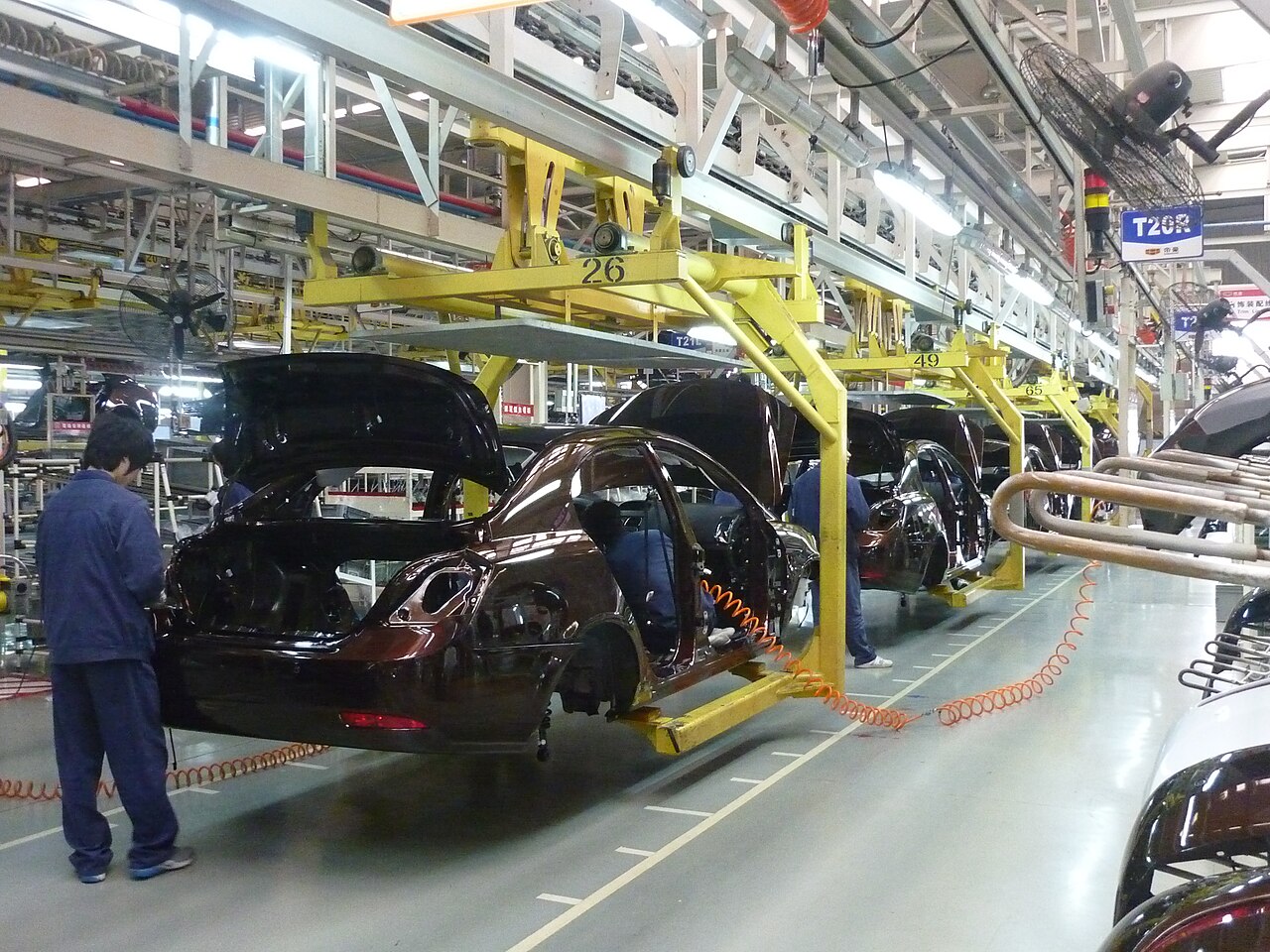
Zacua has been assembling electric cars in Puebla since 2018, before the Olinia project recently drew attention to urban EVs in Mexico. But the company’s MX2 and MX3 are not Mexican-developed vehicles: their structural parts, body components, powertrain and engineering come from French manufacturer Automobiles Chatenet, based on its CH46 model, with limited styling changes and Zacua badges. The cars are adapted for Mexican regulations and carry the Hecho en México designation, which can apply to products assembled in the country; that label does not mean the vehicle’s design or technology originated there.
Both models are compact two-seat city cars, measuring 3.06 meters long, 1.77 meters wide and 1.44 meters tall, and weighing 685 kilograms. A four-meter turning radius is intended to help them negotiate narrow streets and tight parking spaces. Their powertrain combines an 18-kWh lithium-iron-phosphate battery with a permanent-magnet synchronous motor producing 45.6 horsepower at the front axle. Zacua quotes a range of 200 kilometers per charge and an electronically limited top speed of 85 km/h. Equipment includes four-wheel disc brakes, ABS and regenerative braking.
The listed price is MXN 599,900. The article contrasts that figure with the BYD Dolphin Mini at MXN 535,990, the Geely EX2 at MXN 389,900 and the JAC EX10 at MXN 371,900. It notes that the JAC is also assembled in Mexico and bears the Hecho en México seal. Zacua describes its assembly as artisanal because workers assemble the cars by hand, though the article cautions against taking that description literally.