Zeekr-built Ojai robotaxi carries Waymo's US expansion to 14 cities
Waymo's newest driverless car, produced in Ningbo on a Geely platform, debuted as the sole vehicle in Denver and San Diego despite import duties that more than double its price.
2026-09-04
Wikimedia Commons
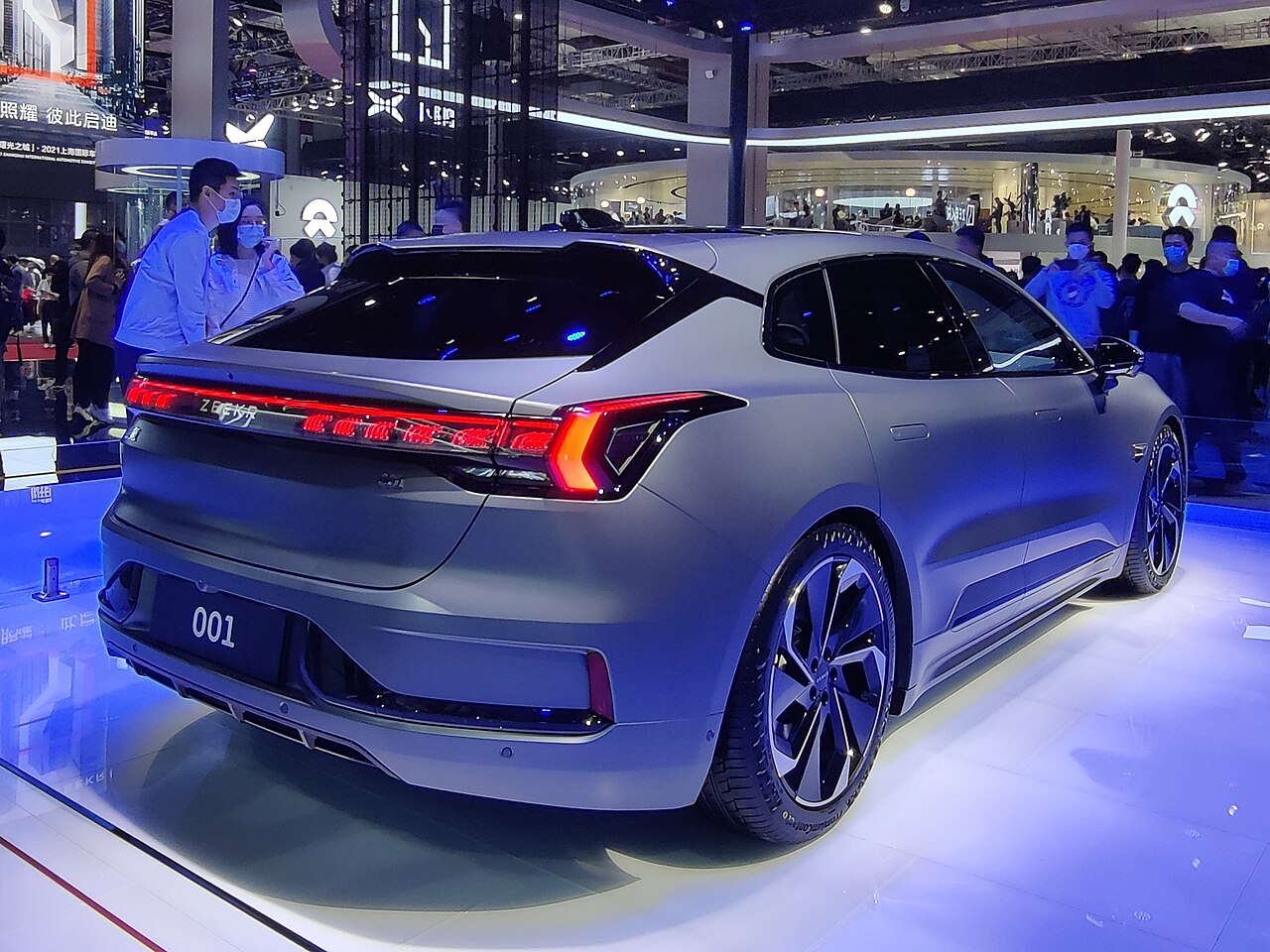
Waymo switched on fully driverless ride-hailing in Denver, San Diego and Tampa on September 1, lifting its US coverage to 14 cities. In the first two, the Zeekr-built Ojai is the only car carrying passengers, a step up for the Chinese platform as Waymo winds down its Jaguar I-Pace fleet.
Known internally as the CM1e, the Ojai is built on Geely's SEA-M architecture at Zeekr's Ningbo plant and crosses the Pacific as a bare rolling chassis without sensors or computing. Waymo and Magna fit the self-driving hardware in Mesa, Arizona. The rear-motor EV delivers 200 kW from a 93 kWh battery, and its sixth-generation sensor suite counts four LiDARs and 13 cameras, with heated housings and tiny wipers to cope with Denver's snow. More than 3,200 chassis had reached the Port of Los Angeles by late August, though only about 300 currently carry paying riders; Waymo's weekly autonomous trips have meanwhile topped 500,000.
Protectionism adds a heavy premium: duties estimated at 102.5-127.5% push the glider's landed cost to roughly $78,000-86,500, and perhaps $103,000-110,000 once Waymo's hardware is fitted — still well below the historical ~$200,000 cost of an equipped I-Pace. With I-Pace production ended and the Cruise Origin cancelled, ready-made platforms are scarce, and a Hyundai IONIQ 5-based alternative is only now in road validation.
This is an original summary compiled and translated from the source below, not a direct translation of it.
🔗 Source: CarNewsChina →