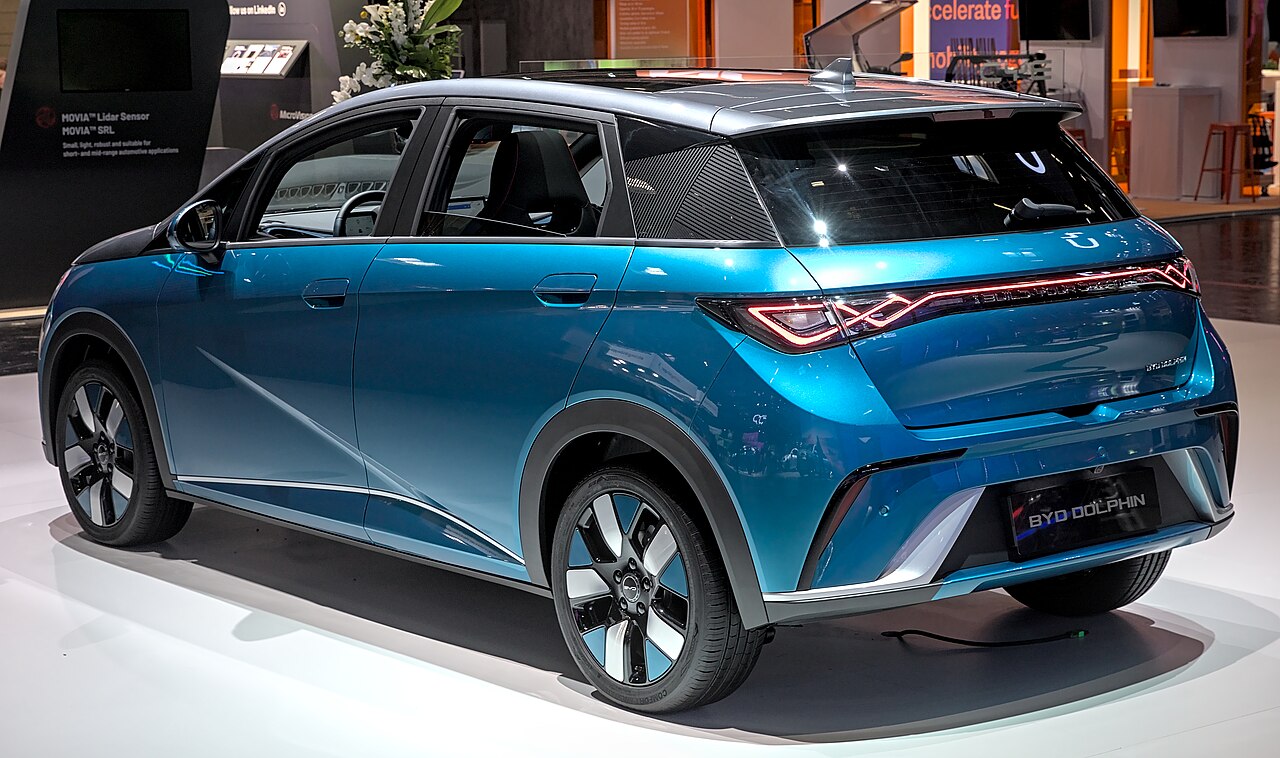
BYD began supplying Vietnam with the Dolphin from Thailand rather than China in April, bringing its starting price down from VND659 million to VND569 million. The article attributes the VND90 million cut to import duties: Chinese-built passenger cars face a 50% tariff, while qualifying imports from ASEAN enter at zero duty.
The lower price benefits buyers, but a fully assembled import brings fewer production orders to Vietnamese parts makers and no local vehicle-assembly work. The article says local companies make 287 types of components and estimates that domestic assembly of imported vehicles could generate US$330 million to US$850 million in annual parts orders, based on Vietnam’s 7%–18% localization rate. ASEAN imports also forgo import-duty revenue that domestically assembled vehicles can support through local employment and taxes.
Thailand’s experience offers a cautionary comparison: Suzuki’s Rayong factory closed in 2025 after output fell sharply from its peak, while the country’s auto-parts sector has faced closures and job pressures. In Vietnam, imported vehicles already outnumber domestically assembled ones in the cited 2025 figures, and imports from China have grown. The article frames the Dolphin’s price drop as part of a wider question about the balance between cheaper cars and building a domestic automotive supply base.