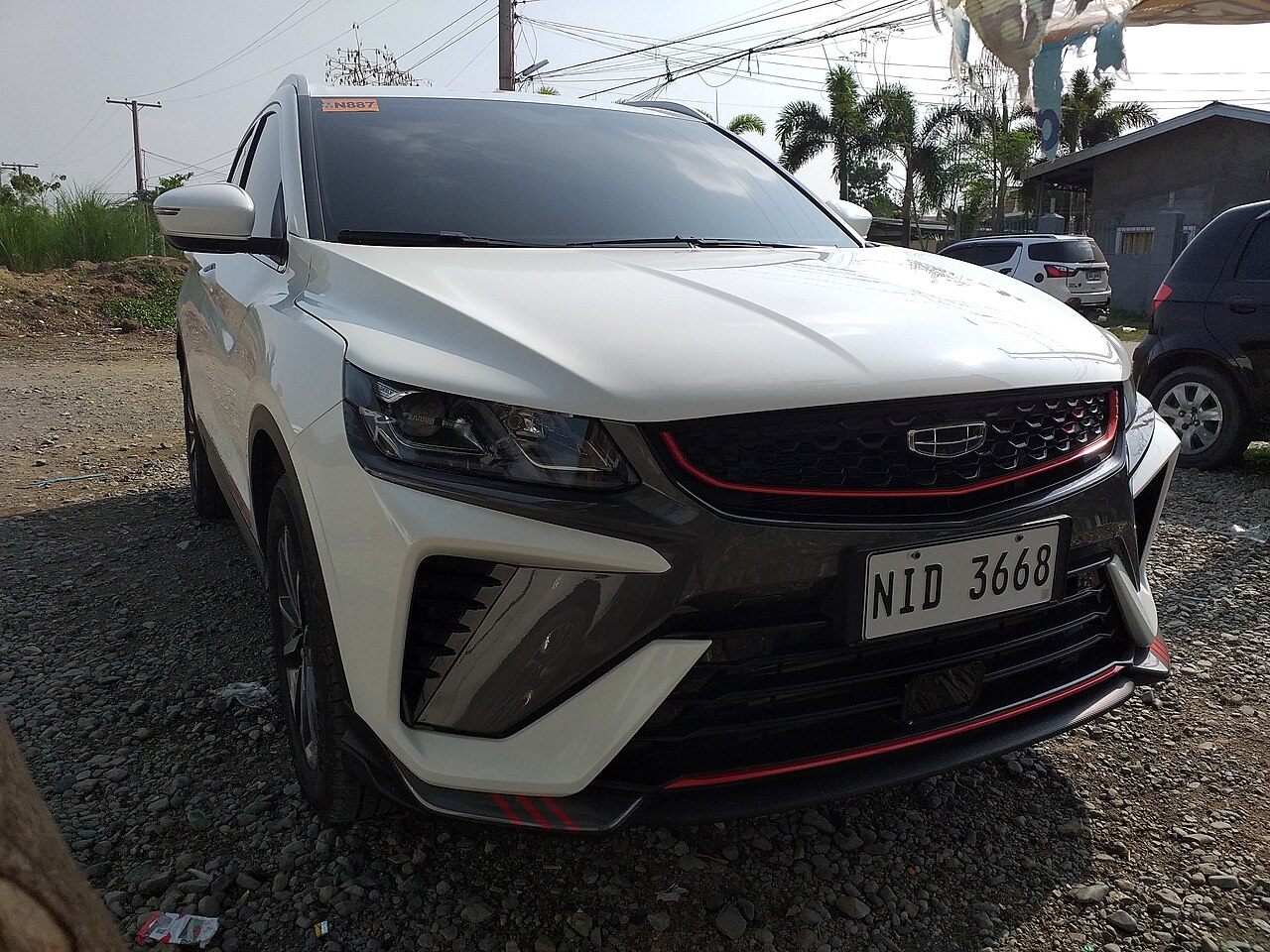
Euro NCAP has published a fresh batch of safety results in which two Chinese electric cars sold in Europe — Geely's EX2, badged E2 in some markets, and the Aion UT — both achieved the maximum five stars. The agency judged them strong overall across driver assistance, crash avoidance, occupant protection and post-crash safety, while flagging different weak spots for each, notably around driver-assist scoring and the safety of vulnerable road users.
The EX2 earned praise for accurate seatbelt and occupant-size detection, a driver-monitoring system that spots distraction and impairment, child presence detection, and sensible physical switchgear. Over a roughly 2,000 km assessment route through Germany, Austria and Italy, its speed-sign recognition was correct 76% of the time and its steering assist scored full marks with driver-initiated lane changes. Even so, its overall driver-assistance rating came in at just 40%, and AEB results swung between near-perfect and below half depending on the scenario. In the physical crashes, driver leg protection in the offset frontal test was rated poor, a center airbag curbed occupant-to-occupant contact in side impacts, and several bonnet zones offered weak-to-poor head protection for pedestrians and cyclists.
The Aion UT matched the EX2 on occupant detection — including out-of-position postures such as feet on the dash — and child presence monitoring, though it lost points for too few physical controls for key driving functions. Across about 2,000 km in the UK, France and Belgium, its speed-sign recognition managed only 68%, short of Euro NCAP's full-mark threshold, but its AEB comfortably exceeded legal requirements and performed well in advanced scenarios. Crash protection was a strong suit: good or adequate across the offset frontal impact, full marks for both child dummies, and complete scores in the pole and far-side side-impact tests, again with a center airbag fitted.
In summary, the pair carries its five stars with distinct strengths — the EX2 for its driving controls, physical buttons and lane-change assist, the UT for AEB and occupant protection, particularly for children. Uneven pedestrian and cyclist head protection remains the shared shortcoming both makers could address next.