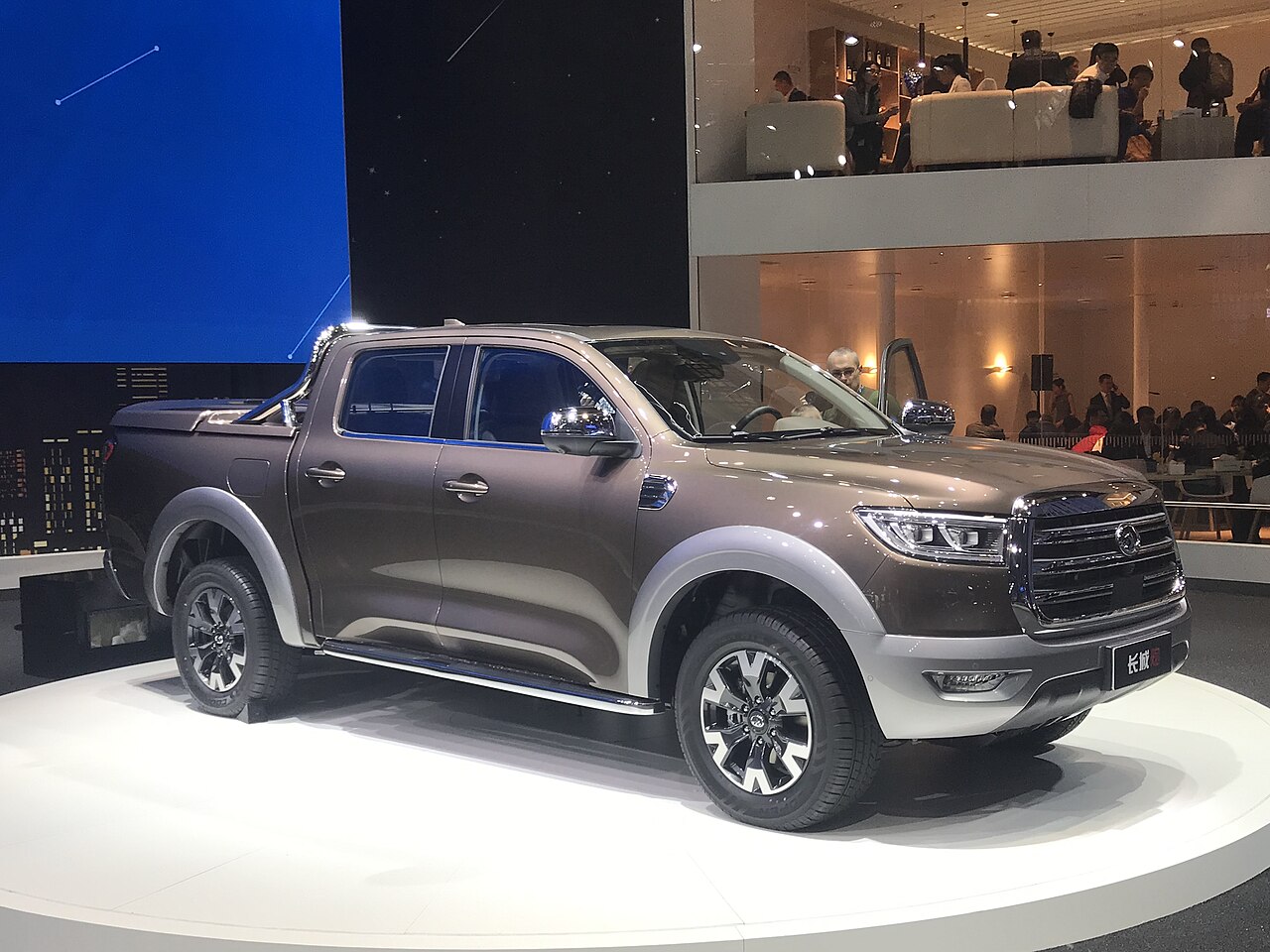
At the launch of the Haval H7 in Brazil, GWM’s local COO, Diego Fernandes, argued that the arrival of more Chinese automakers raises questions not only about how many new brands the market can accommodate, but also about the prospects of established manufacturers. He was responding to a question about newcomers including Jetour, Omoda and Geely, and said it was uncertain whether traditional brands would retain their place as competition intensifies.
Fernandes pointed to rising sales at GWM, BYD, Omoda and Geely, saying their growth was outpacing the overall market. Anfavea data cited in the report put Brazilian vehicle registrations up 18.1% from January to September 2026, while Chinese brands made larger gains. Fernandes also claimed Chinese products now offer a substantial technology and quality advantage over those from legacy automakers; that comparison reflects his view as a GWM executive.
He said GWM’s customer trade-ins initially included many Jeep Compass and Toyota Corolla Cross vehicles, but now also include premium models from BMW, Mercedes-Benz and Volvo as the brand’s range has expanded to include the Tank 300, Haval H9 and Haval H7. GWM’s strategy differs from BYD’s focus on higher-volume models: Fernandes put GWM’s average selling price at R$260,000, compared with about R$170,000 for BYD.
GWM sold 29,000 vehicles in 2024 and 42,000 in 2025. After approximately 64,000 registrations in the first nine months of 2026, the company is aiming for 100,000 units for the full year.