A report by British magazine Autocar argues that Brazil is becoming a useful case study for Europe as Chinese automakers expand overseas. The central question is how to welcome Chinese investment and local production without undermining established suppliers and manufacturing networks. Brazil’s experience may offer clues, though the transition is still unfolding.
China exported 410,825 vehicles to Brazil in the first half of 2026, making it the country’s second-largest export destination after Russia; the United Kingdom ranked third. Brazil is moving away from a period of incentives for imported electric vehicles and gradually raising tariffs, now reaching 35, to encourage domestic production. BYD, GWM, Chery, Geely and GAC have started or announced industrial operations, while manufacturers are also looking to use existing plants and suppliers. Mexico, the leading destination in 2025, lost ground after imposing 50% tariffs on Chinese cars.
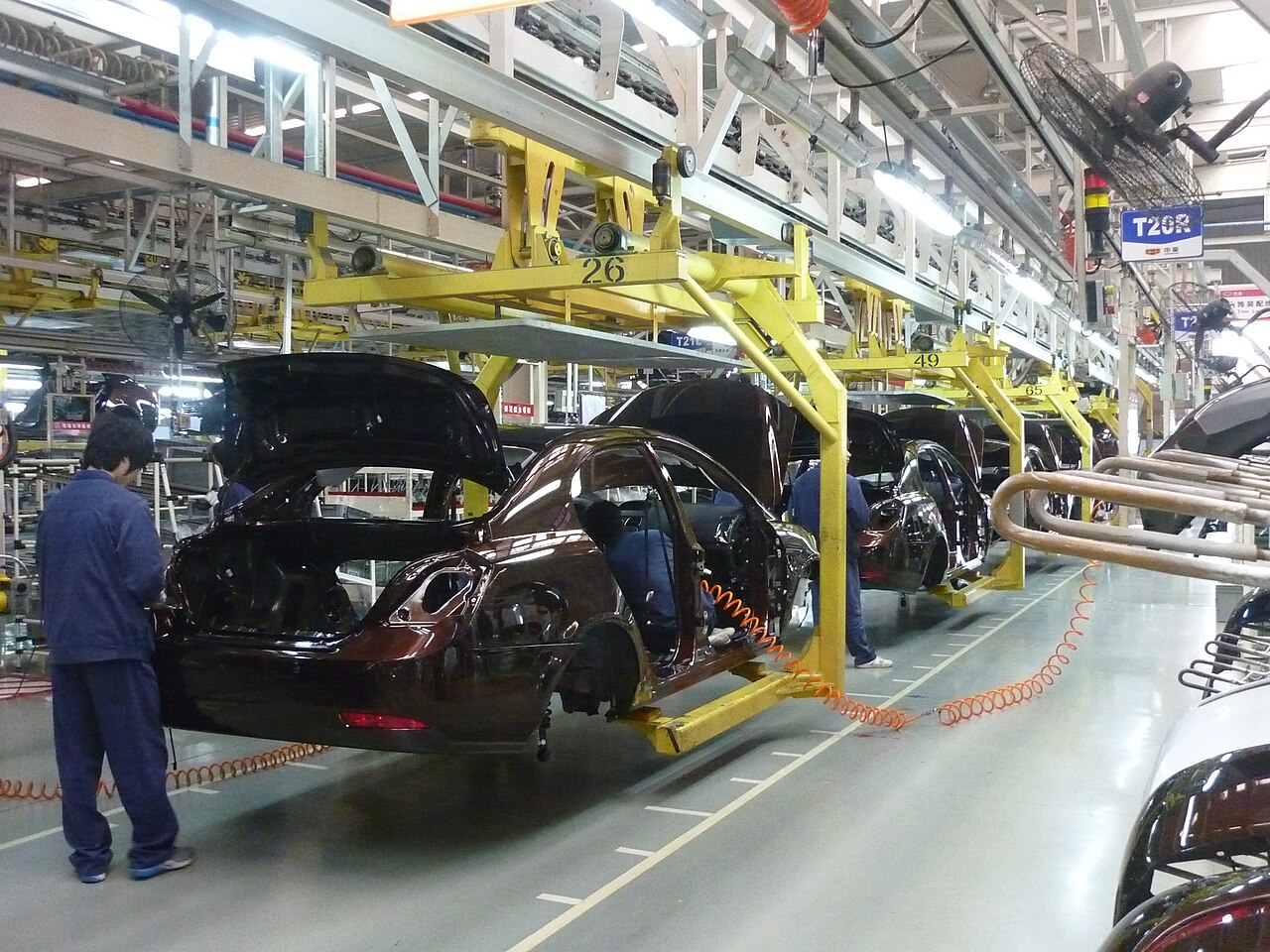
The report highlights that local assembly does not necessarily mean extensive local sourcing. Anfavea says two-thirds of this year’s 8.5% growth in Brazilian vehicle production came from SKD and CKD assembly using imported kits. At Renault’s Ayrton Senna complex, Geely’s EX5 receives body welding, paint and final assembly alongside Renault models; the EX2 is expected to use a less integrated setup. Autocar also says Chinese brands are blurring traditional price and vehicle-size categories and challenging premium marques.
Brazilian automakers including Fiat, Volkswagen, Chevrolet, Hyundai and Renault have also increased sales this year. A further test will be whether local plants source enough parts domestically to meet rules of origin and support exports elsewhere in South America.