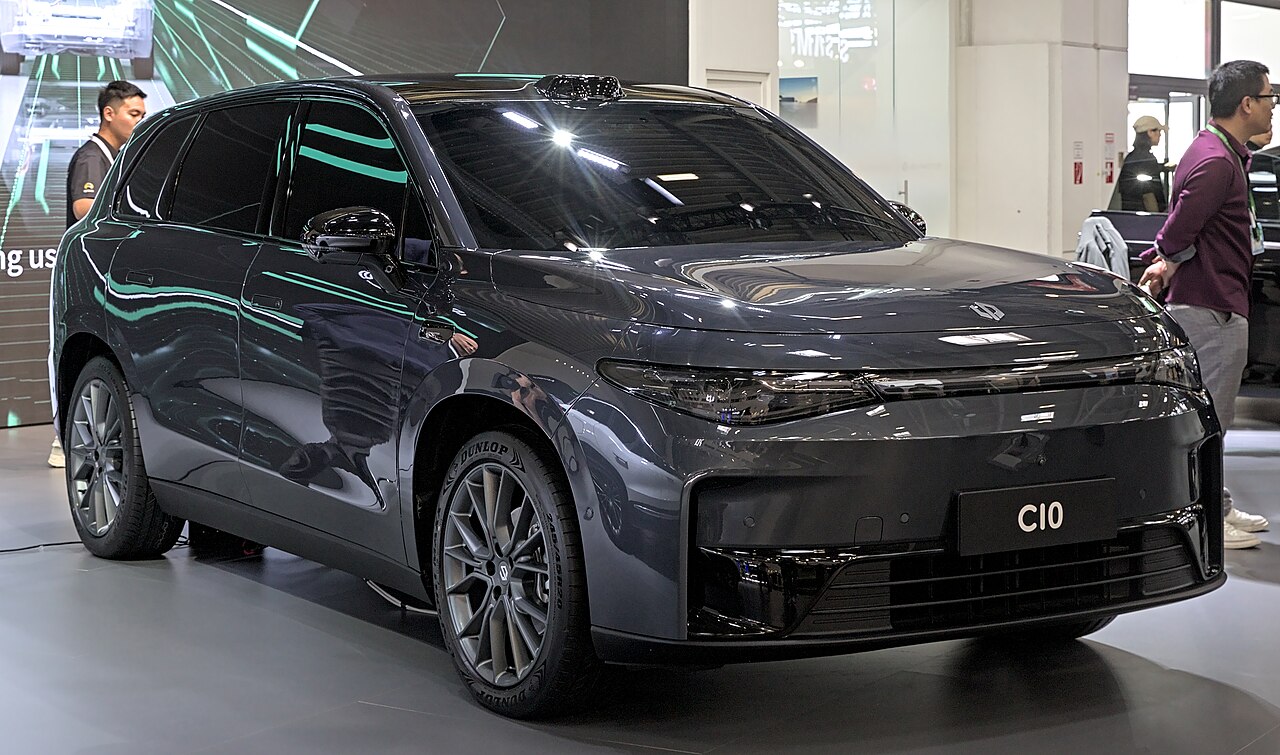
Leapmotor says its electric vehicles will do away with separate 12V batteries from 2027, using the company’s new CTC 3.0 structural battery design to handle both high- and low-voltage needs. The low-voltage supply supports equipment including cabin electronics, lights and wipers, as well as safety functions that must remain available if the high-voltage system is cut off in a crash. The article notes that this separation is required for systems such as door unlocking, eCall and airbags, and that low-voltage power also activates the main battery’s contactors when the vehicle starts.
CTC 3.0 uses the traction battery’s cells for both voltage circuits and shares power-distribution and thermal-management systems, eliminating a separate battery module. Leapmotor says the integrated low-voltage circuit has seven times the capacity of the previous arrangement, and the change is intended to reduce weight and maintenance associated with a separate battery. Other manufacturers, including BYD, Tesla and Porsche, have moved from lead-acid 12V batteries to smaller lithium-ion units, while Leapmotor’s approach integrates the low-voltage function into the battery pack built into the chassis.
The company’s Leap 5.0 platform also relocates the air-conditioning system to the rear powertrain area. Leapmotor says this frees 19% more space at the front and cuts pipework by 30%. Redesigned aluminum front suspension towers pushed outward are said to increase legroom for the driver and front passenger by 37.5%; a flat floor and slightly higher roof raise cabin headroom by 63.7%. The technologies are due in new Leapmotor products for overseas markets from 2027. Stellantis manages the brand’s global operations, and the article says the technology could reach its imported range in Brazil and potentially other group vehicles.